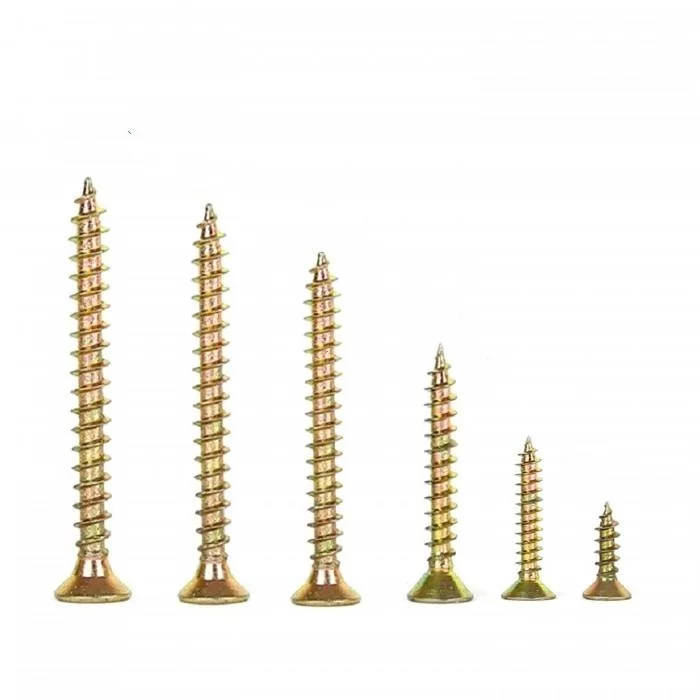
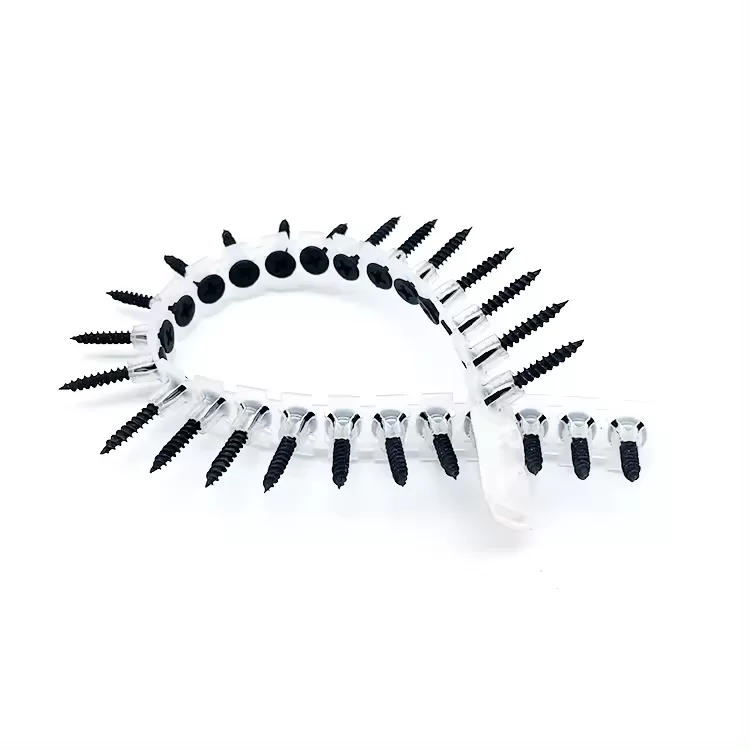
In the demanding world of industrial woodworking and structural assembly, the integrity of a joint often depends on the smallest component. High-performance fasteners, such as those categorized as stainless construction screws, provide the necessary mechanical bond to ensure that heavy-duty pallets, crates, and custom furniture remain stable under extreme stress. By combining material science with precision engineering, these fasteners solve the age-old problem of joint loosening and material failure in high-load environments.
The global shift toward sustainable logistics and durable infrastructure has placed a renewed focus on the quality of fastening hardware. Whether it is the rapid assembly of shipping containers or the intricate framing of luxury furniture, the demand for hardware that resists corrosion and maintains a powerful "bite" is higher than ever. Understanding the technical nuances of spiral designs and alloy compositions allows manufacturers to reduce waste and increase the lifespan of their end products.
For professionals seeking the ultimate balance of strength and longevity, integrating stainless construction screws into their workflow ensures that structural joins remain airtight and rigid. By opting for high-grade steel and innovative spiral shanks, businesses can significantly lower their maintenance costs and enhance the overall safety of their construction projects.

The Mechanics of Spiral Thread Design
The defining characteristic of these high-performance fasteners is the spiral (twisted) shank. Unlike standard straight nails, the spiral design creates an enhanced bite force as the fastener is driven into the wood. This geometry allows the nail to "grip" the wood fibers more aggressively, establishing a strong mechanical interlock that prevents the fastener from backing out over time, even when subjected to constant vibration during transit.
Beyond pure holding power, the spiral architecture facilitates a more efficient installation process. It allows for a smoother and more controlled insertion, which is critical when working with delicate hardwoods or thin panels. By reducing the likelihood of splitting the wood, these fasteners ensure that the structural integrity of the material is preserved, making them an ideal choice for those requiring the reliability of stainless construction screws.
Material Integrity and Corrosion Resistance
Durability begins with the selection of the raw material. These fasteners are crafted from high-grade steel, with options ranging from carbon steel for general utility to premium stainless steel for environments where moisture is a constant threat. This material choice ensures that the fastener can resist bending or breaking during the high-pressure installation process, even when driven into dense, high-density hardwoods.
Corrosion resistance is a non-negotiable requirement for outdoor applications. Many of these components are galvanized or specially coated to withstand humidity, rain, and mild chemical exposure. This is particularly vital for wooden pallets stored in open-air logistics hubs, where untreated steel would quickly rust, compromising the safety of the entire shipping structure.
By utilizing superior alloys, manufacturers ensure that the fastener maintains its tensile strength over decades of use. The synergy between the chemical composition of the steel and the physical spiral design results in a product that does not merely hold wood together but protects the structural investment against the elements.
Precision Specifications for Industrial Use
Technical precision is what separates industrial-grade hardware from consumer-grade alternatives. When analyzing stainless construction screws and spiral nails, the dimensions must be exact. A shank diameter of 3.7mm at the tip and 8.14mm at the head ensures a perfect fit with standard woodworking tools, eliminating the gaps that often lead to structural instability.
The length range, typically spanning from 30mm to 150mm, allows these fasteners to be versatile across various projects. From shallow furniture trim to deep structural joins in heavy-duty pallets, the availability of diverse lengths ensures that the nail can penetrate deep enough into the support beams to create a permanent, unyielding bond.
Head styles are equally critical, with flat or countersunk options available to ensure the fastener sits flush with the wooden surface. This design choice is not just about aesthetics; it minimizes snag risks in logistics environments and prevents the hardware from catching on fabrics or padding in furniture upholstery, ensuring a seamless and professional finish.
Global Application Scenarios in Logistics
In the global logistics chain, the wooden pallet is the unsung hero of trade. The use of spiral-shanked stainless construction screws in pallet manufacturing ensures that deck boards are securely fastened to stringers. This prevents nails from backing out during the repeated loading and unloading cycles performed by forklifts, which is a leading cause of pallet failure and warehouse accidents.
Similarly, in the construction of shipping crates for high-value machinery or electronics, these fasteners create airtight and rigid structures. The spiral grip ensures that the crate does not warp or loosen during long-haul sea voyages, where temperature shifts and humidity can cause wood to expand and contract, typically loosening standard nails.
Performance Comparison of Fastening Methods
Long-term Value and Cost Efficiency
While the initial cost of premium steel fasteners may be higher than basic nails, the long-term economic value is significantly greater. By eliminating the need for frequent fastener replacements and reducing the rate of structural failures in shipping crates and pallets, companies can drastically lower their operational overhead.
Furthermore, the reliability of these fasteners reduces the risk of "callbacks" or rework in furniture manufacturing. A chair leg or cabinet door secured with a spiral-shanked fastener is far less likely to loosen over years of consumer use, thereby enhancing brand reputation and reducing warranty claims for manufacturers.
Future Trends in Fastening Technology
The future of industrial fasteners is moving toward a synthesis of automation and sustainable metallurgy. We are seeing a trend toward "green steel" production, reducing the carbon footprint of the stainless construction screws used in global trade. This aligns with ISO standards and global sustainability goals to create a circular economy in the manufacturing sector.
Automation in the application process is also evolving. New nail guns are being calibrated specifically for spiral-shanked fasteners, allowing for high-volume production in pallet factories without the risk of over-driving. This ensures that the precision of the spiral grip is maximized while minimizing the labor time required for assembly.
Additionally, the integration of smart coatings—materials that can signal corrosion or stress before a failure occurs—is on the horizon. This digital transformation in hardware will allow logistics companies to monitor the health of their shipping infrastructure in real-time, ensuring maximum safety for high-value cargo.
Installation Guidelines and Compliance
To achieve the maximum benefits of these fasteners, proper installation is essential. For small-scale or custom projects, manual tools like hammers or specialized drivers should be used, ensuring the nail is driven perpendicular to the wood surface. Following the natural "twist" of the spiral allows the fastener to seat deeply and securely without distorting the wood.
In industrial settings, power tools must be carefully calibrated. Adjusting the pressure and depth settings based on the density of the wood—whether it is soft pine for crates or dense oak for furniture—prevents the wood from splitting while ensuring the spiral threads are fully engaged with the fibers.
Compliance with international standards, such as ISO, ensures that every batch of fasteners meets rigorous benchmarks for pull-out force and bending strength. Regular testing for corrosion resistance ensures that the product will perform reliably in the most challenging environments on earth.
Technical Comparison of Spiral Nail Performance by Material
| Material Grade | Corrosion Resistance | Pull-out Strength | Best Application |
|---|
| Premium Stainless Steel | Extreme (10/10) | High (9/10) | Marine & Outdoor Pallets |
| Galvanized Carbon Steel | Moderate (6/10) | Very High (10/10) | Industrial Shipping Crates |
| Zinc-Plated Steel | Low (4/10) | High (8/10) | Indoor Furniture Framing |
| Alloy Steel | Moderate (5/10) | Extreme (10/10) | Heavy-duty Structural Joins |
| Coated Carbon Steel | Moderate (7/10) | High (9/10) | General Woodworking |
| Standard Mild Steel | Very Low (2/10) | Moderate (6/10) | Temporary Packaging |
FAQS
Spiral nails feature a twisted shank that creates a mechanical interlock with wood fibers. This significantly increases the "bite" and prevents the fastener from loosening under the vibrations and dynamic loads typical of forklift transport, which is where standard straight nails often fail.
Yes, they are highly versatile. From softwoods used in shipping crates to dense hardwoods used in luxury furniture, the combination of high-grade steel and a spiral design allows them to penetrate and grip various wood densities without causing excessive splitting.
To avoid splitting, calibrate your nail gun's pressure and depth settings according to the wood's density. Over-driving the nail can crush the fibers, while under-driving reduces the grip; finding the "sweet spot" ensures the spiral shank engages fully without damaging the material.
For outdoor use, stainless steel or galvanized carbon steel is recommended. These materials provide the necessary corrosion resistance to withstand rain and humidity, preventing rust from weakening the joints of the crate during long-term storage or sea transit.
Yes, while they provide a stronger grip than straight nails, they can still be removed using professional pry tools. This makes them ideal for high-quality crates that may need periodic repair or refurbishment to extend their operational lifespan.
Our high-grade spiral nails are designed to meet ISO and regional woodworking standards. They undergo rigorous pull-out, bending, and corrosion testing to ensure they provide a safe and reliable bond for industrial applications worldwide.
Conclusion
The integration of high-performance fasteners, particularly those utilizing spiral shank technology and premium alloys, is essential for modern woodworking and logistics. By prioritizing material integrity and mechanical grip, manufacturers can ensure that everything from heavy-duty pallets to fine furniture remains stable, safe, and durable over the long term. The synergy of precision specifications and corrosion resistance directly translates into lower maintenance costs and higher structural reliability.
As the industry moves toward more sustainable and automated processes, the importance of selecting the right hardware becomes even more critical. Investing in quality stainless construction screws and spiral fasteners is not just a technical choice, but a strategic business decision that enhances brand trust and operational efficiency. We encourage professionals to evaluate their current fastening solutions and upgrade to materials that guarantee long-term stability. Visit our website: www.lianshiwjnail.com