
Hit enter to search or ESC to close
Mar 21, 2026


When undertaking woodworking projects, selecting the right fasteners is crucial for a secure and lasting build. 2 self tapping wood screws offer a convenient and efficient solution for joining wood materials. This article delves into the features, benefits, applications, and key considerations when choosing these versatile fasteners. Whether you're a seasoned carpenter or a DIY enthusiast, understanding the nuances of self-tapping screws will enhance your projects and ensure optimal results.

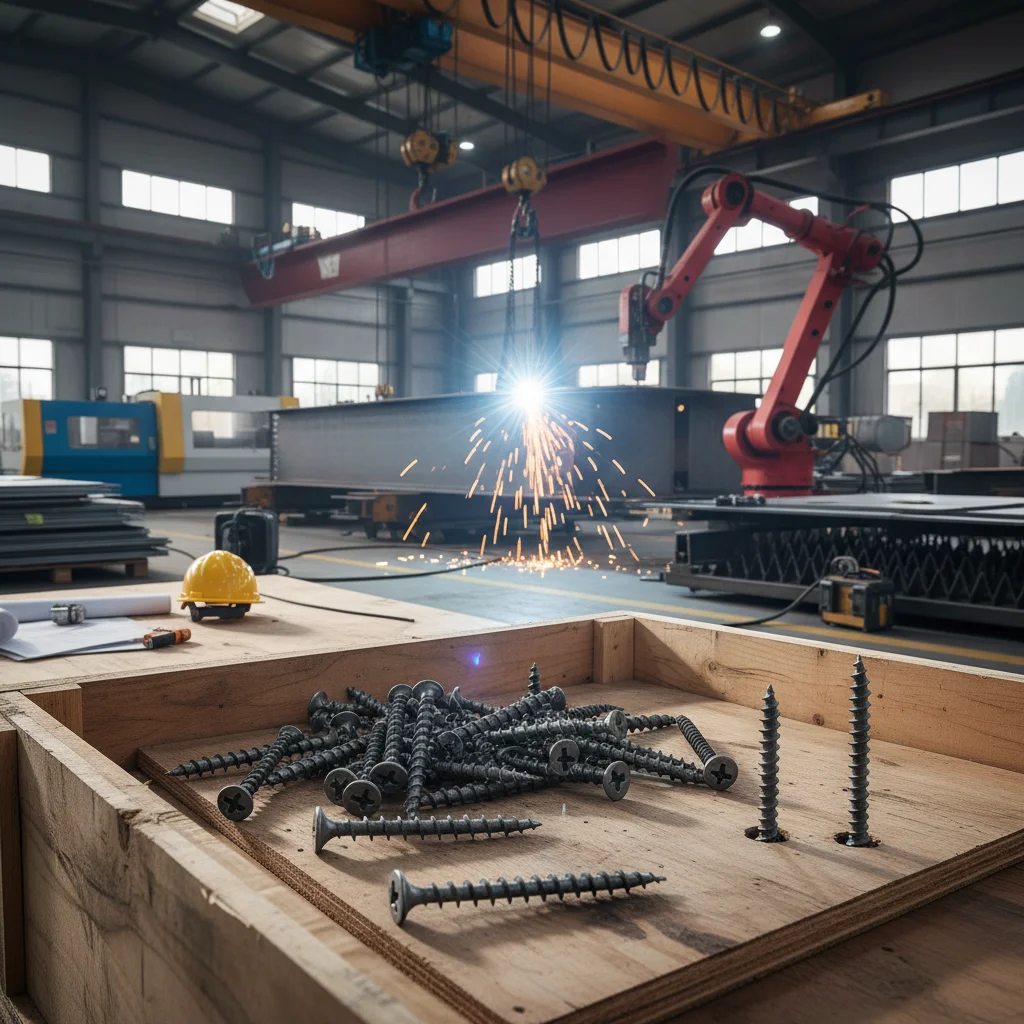
Self-tapping wood screws are designed to create their own threads as they are driven into the wood. Unlike traditional wood screws that require pre-drilled holes, self-tapping screws eliminate this step, saving time and effort. The “2” in the name often refers to the quantity commonly supplied as a standard package. These screws feature a unique thread pattern and a hardened tip that allows them to cut into the wood fibers, forming a secure and reliable joint. They are particularly useful for softer woods and applications where pre-drilling is impractical. Lianshi WJNail offers a wide selection of self-tapping wood screws in various sizes and materials.
Key Benefit: Eliminates the need for pre-drilling, saving time and simplifying the assembly process.
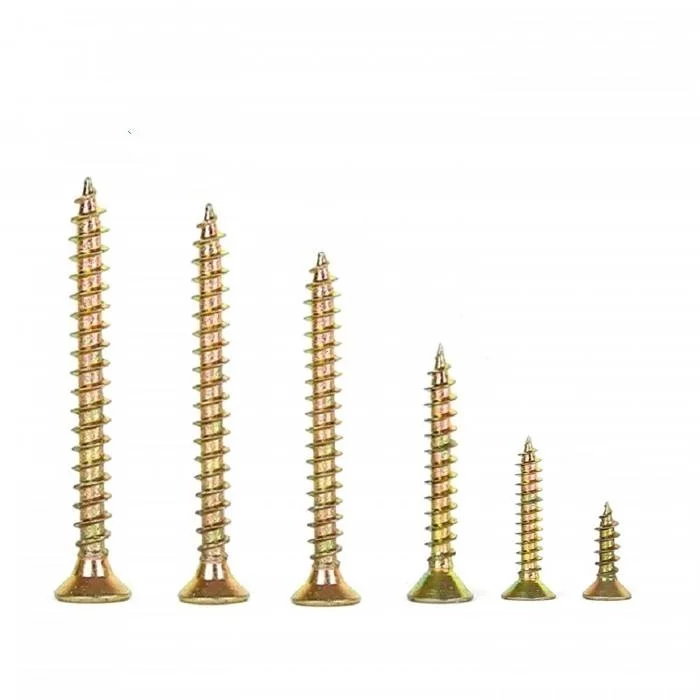
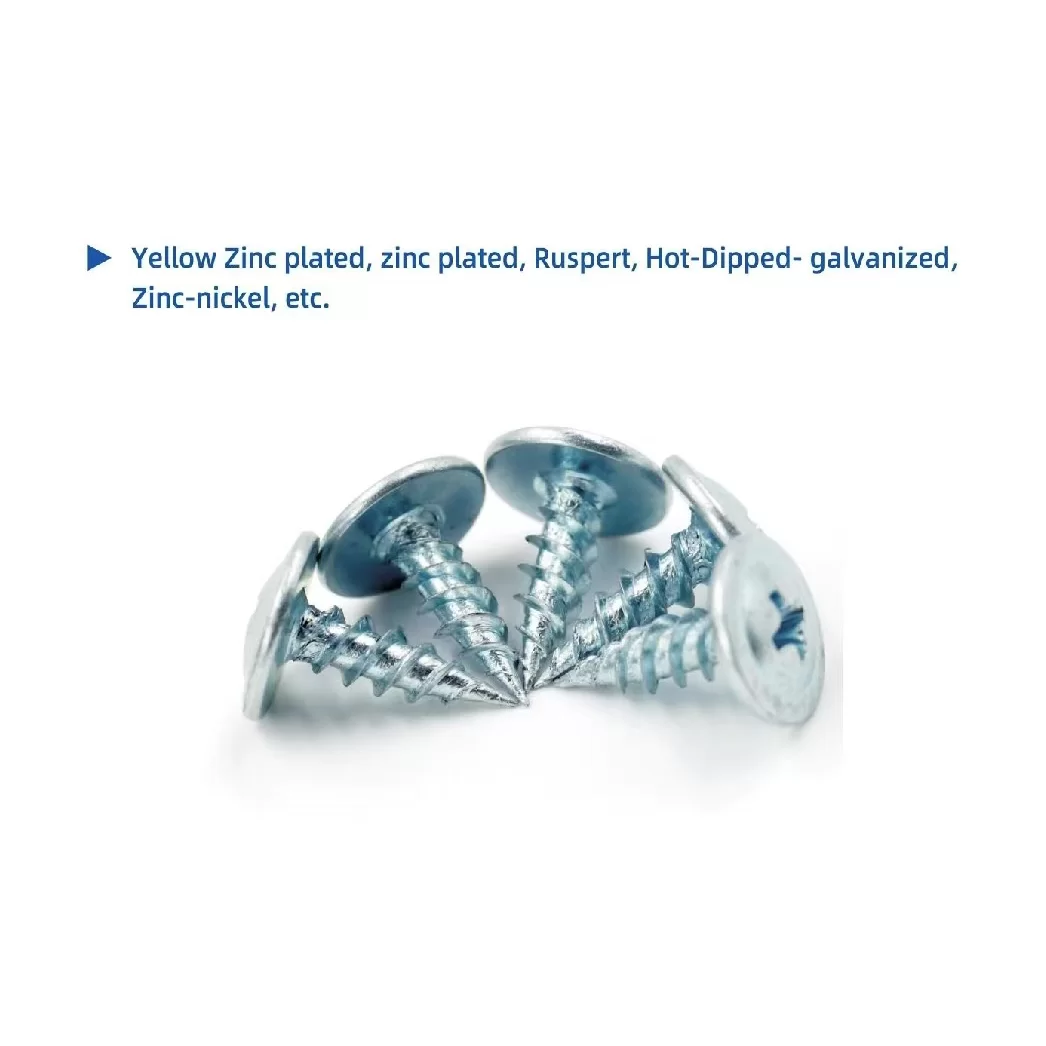
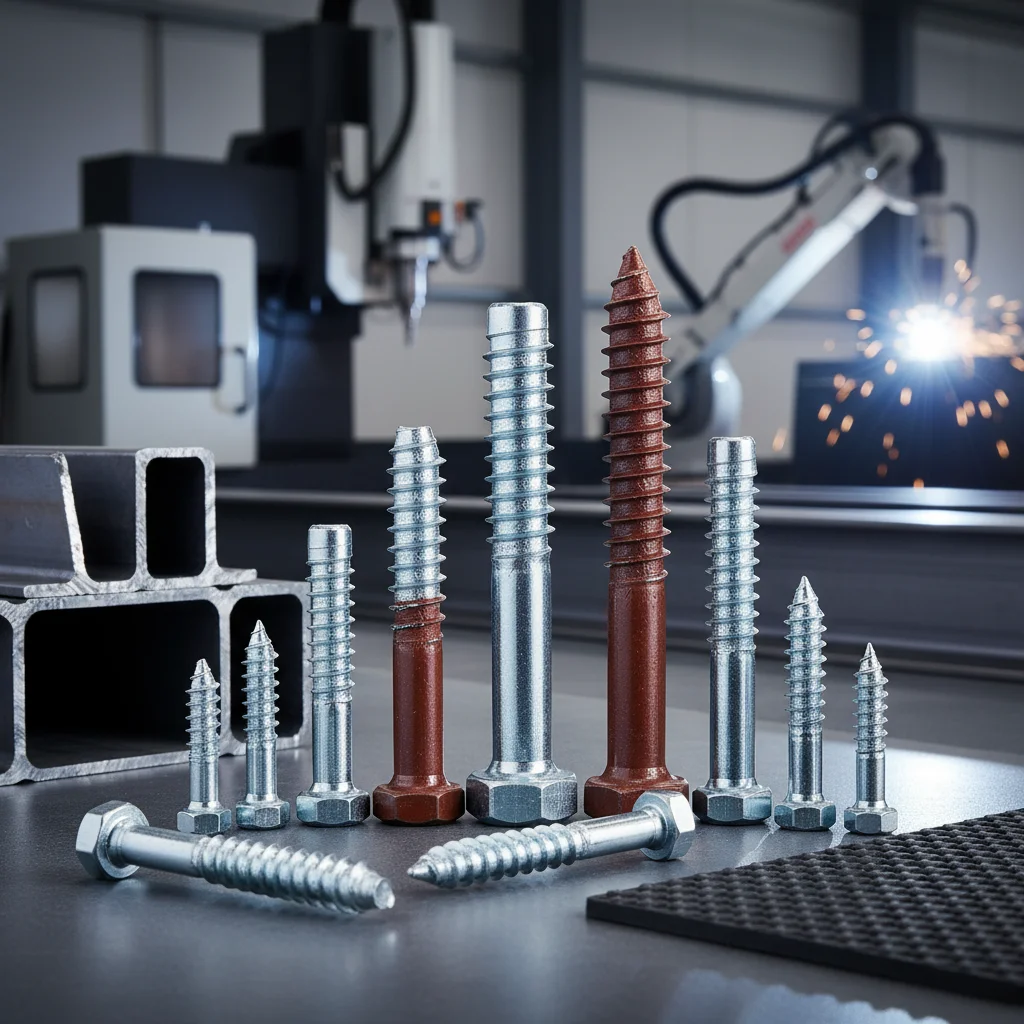
Self-tapping wood screws possess several key features that make them a preferred choice for many woodworking applications. These include a sharp, hardened tip for efficient wood penetration, a specialized thread pattern designed to create a strong and lasting grip, and various head styles (flat, round, oval) to accommodate different aesthetic preferences and functional requirements. They are often coated with zinc, black oxide, or other protective finishes to enhance corrosion resistance. The screw’s shank diameter is also critical, ensuring compatibility with the wood’s density and the desired strength of the joint. You can explore different features and materials at Lianshi WJNail to find the perfect screws for your project.
The material of your self-tapping wood screws significantly impacts their performance and longevity. Steel screws are generally more affordable and offer excellent strength for interior applications. However, they are susceptible to rust and corrosion when exposed to moisture. Stainless steel screws, while more expensive, provide superior corrosion resistance, making them ideal for outdoor projects or applications in damp environments. Consider the project’s location and potential exposure to the elements when making your selection. Lianshi WJNail offers both steel and stainless steel options to suit a wide range of needs.
Material Comparison:
• Steel: Cost-effective, high strength, suitable for indoor use.
• Stainless Steel: Excellent corrosion resistance, ideal for outdoor and damp environments.
Understanding the dimensions of self-tapping wood screws is vital for choosing the right size for your project. The length is measured from the tip of the screw to the underside of the head, while the diameter refers to the shank’s thickness. Common lengths range from 1/2 inch to 3 inches, and diameters typically vary from #6 to #12. The head style also influences the screw’s suitability for different applications. The table below provides a general overview of common screw sizes and their typical applications:
These screws find applications in a diverse range of projects, from simple DIY repairs to complex construction tasks. They are commonly used in furniture assembly, cabinet making, decking, fencing, and general woodworking. Their ability to create secure joints without pre-drilling makes them ideal for quick and efficient assembly. Lianshi WJNail's self-tapping screws are trusted by professionals and hobbyists alike for their reliability and performance.
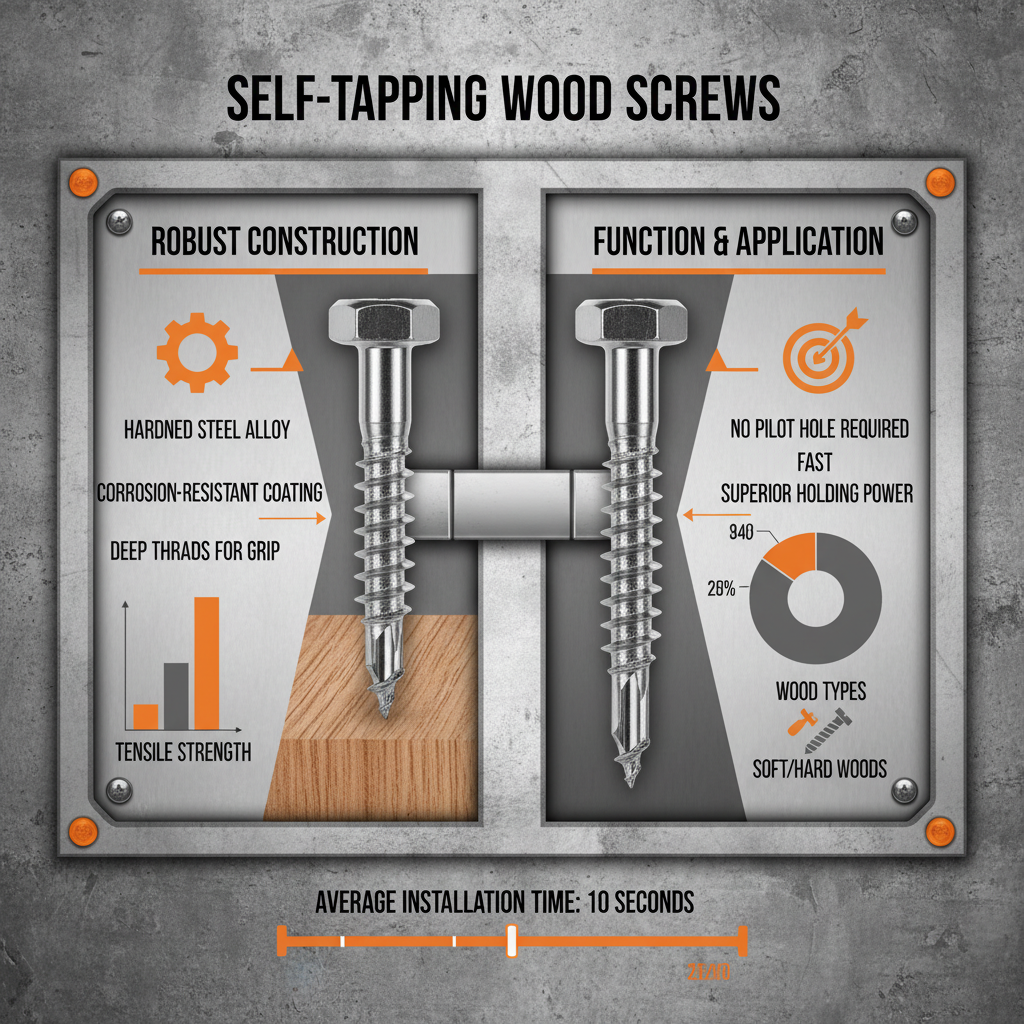
2 self tapping wood screws offer a convenient, efficient, and reliable solution for a wide range of woodworking projects. By understanding their features, materials, and applications, you can select the right screws for your specific needs and achieve professional-quality results. Whether you’re a seasoned professional or a beginner, investing in high-quality self-tapping screws like those offered by Lianshi WJNail is a smart choice for ensuring lasting and secure wood connections.
While versatile, self-tapping screws perform best in softer woods like pine, cedar, and fir. Harder woods like oak or maple may require pre-drilling to prevent the screw from breaking or stripping the threads. The screw’s ability to create its own thread relies on the wood’s ability to yield to the screw’s pressure. Always test on a scrap piece of wood before starting your project. Choosing a screw with a more aggressive thread design can also help with harder woods, but pre-drilling is still recommended for optimal results.
Both self-tapping and self-drilling screws eliminate the need for pre-drilling, but they differ in their design. Self-drilling screws have a drill-bit-like tip that bores a hole and creates threads simultaneously. Self-tapping screws, on the other hand, rely on existing holes or create threads by displacing the wood fibers as they are driven in. Self-drilling screws are generally used for metal, while self-tapping screws are more common for wood. It's crucial to choose the right screw type based on the material you're working with.
To prevent stripping, use the correct size and type of screw for the wood. Avoid over-tightening the screw, as this can damage the wood fibers. Applying consistent, even pressure while driving the screw is also crucial. If working with hard wood, consider pre-drilling a pilot hole slightly smaller than the screw's diameter. Using a high-quality screwdriver or drill bit specifically designed for self-tapping screws will also minimize the risk of stripping.
Lianshi WJNail is a trusted supplier of high-quality self-tapping wood screws. We offer a wide range of sizes, materials, and finishes to meet your specific needs. Our screws are manufactured to strict quality standards and are backed by excellent customer service. We strive to provide competitive pricing and fast shipping to ensure your project stays on track.
JOIN OUR NEWSLETTER


If you are interested in our products, you can choose to leave your information here, and we will be in touch with you shortly.