
Hit enter to search or ESC to close
Dec 7, 2025


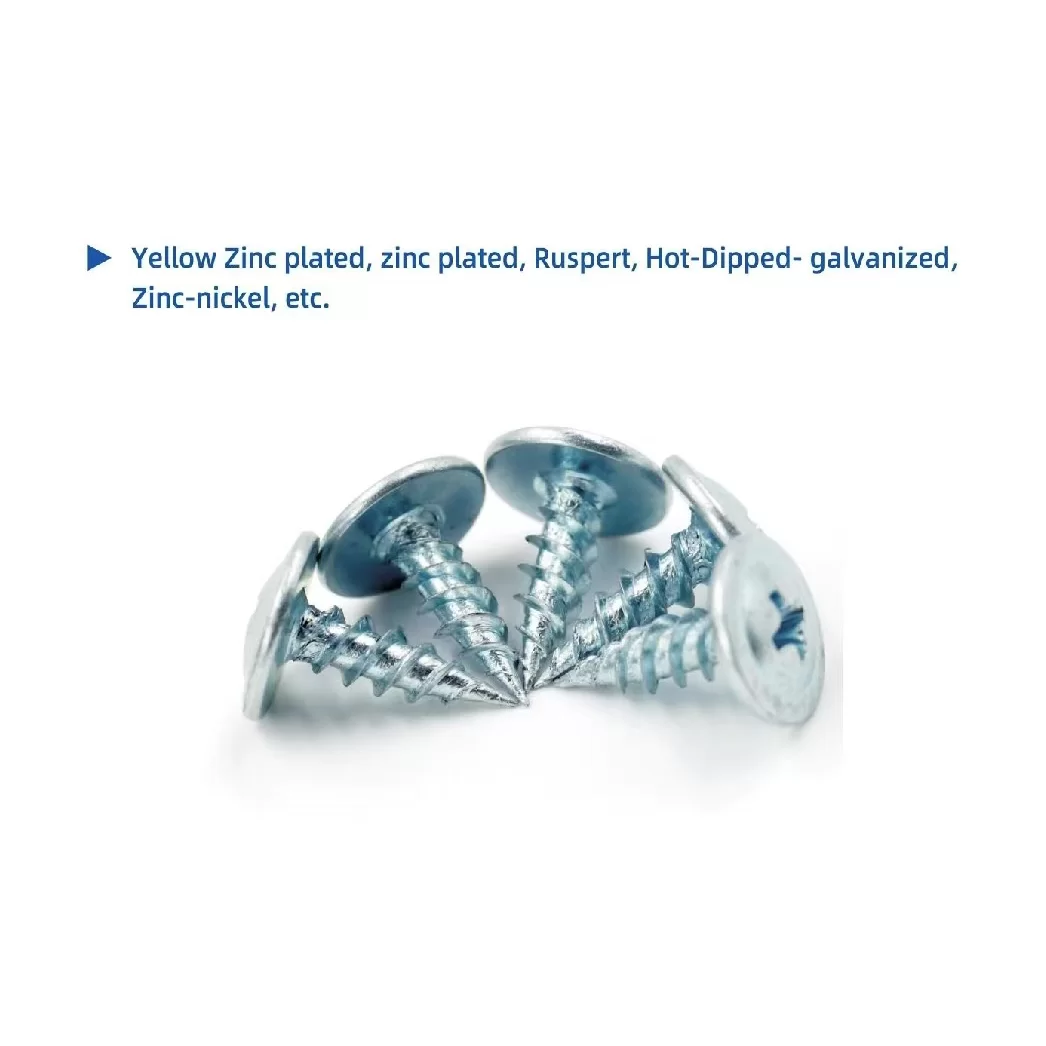
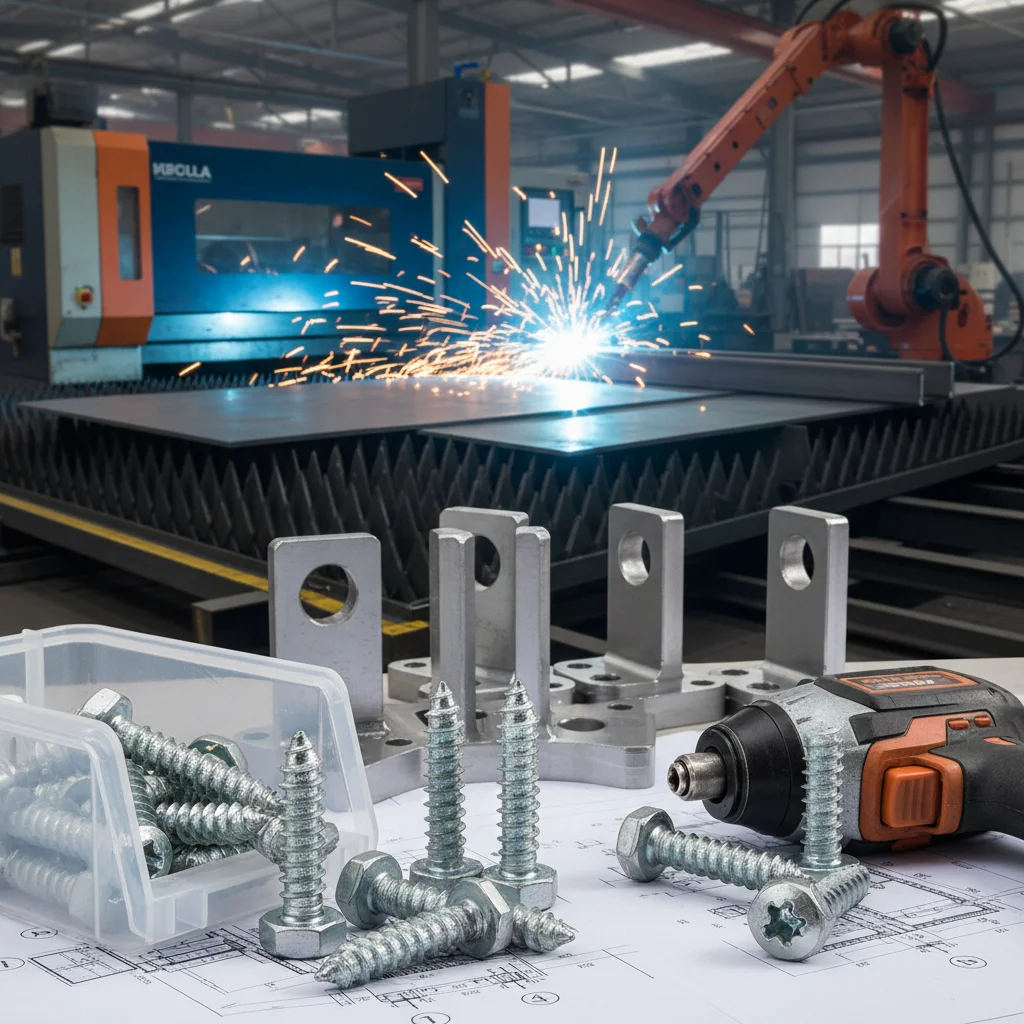
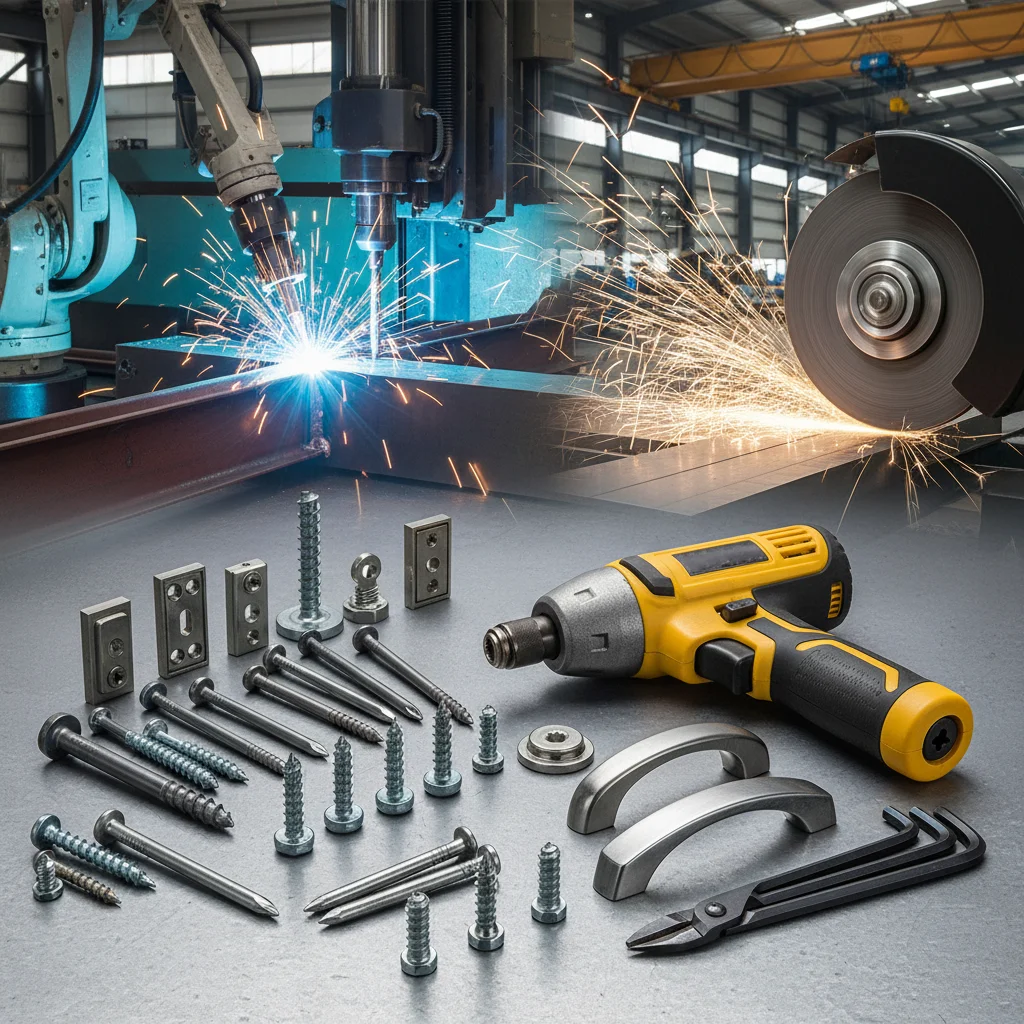
Having spent quite a few years knee-deep in the world of industrial equipment and fasteners, I’ve developed a bit of an appreciation for the humble zinc self tapping screws. They might seem like a simple commodity, but frankly, these screws bring a lot to the table when it comes to reliability and corrosion resistance — two things you definitely want in any tough industrial environment.
Now, I suppose it’s easy to underestimate these guys until you're out on a site where exposed metal parts frequently battle moisture, harsh chemicals, and constant vibration. Zinc plating acts like a guardian shield — protecting the steel core of the screw against rust. Oddly enough, in real terms, this protective layer can extend the life of assemblies significantly, which is something supervisors quietly appreciate when they’re not chasing breakdowns.
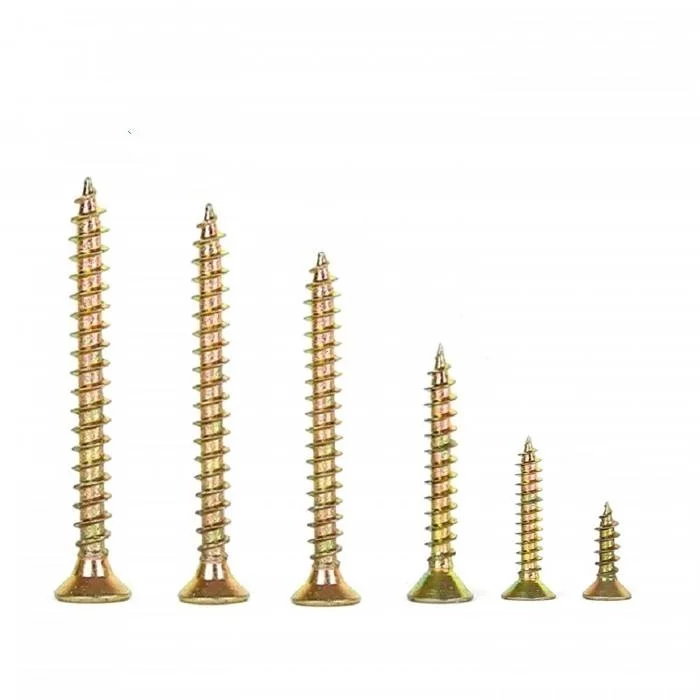
Self tapping screws are quintessential because they create their own threads in materials — which means no pre-drilling is needed in many cases. This small time saver feels like a luxury when you’re trying to hit tight deadlines on the factory floor. Plus, these aren’t your everyday screws; zinc self tapping screws often come with specially engineered tips that bite into metals and plastics with ease, minimizing material damage.
I recall one project where a team replaced several fasteners in an HVAC assembly line. They switched to zinc-plated self tapping screws, and maintenance downtime dropped noticeably within a few months. That’s the sort of outcome that turns a skeptical engineer into a believer.
| Feature | Detail |
|---|---|
| Material | Steel core with zinc plating |
| Coating Thickness | Typically 5-10 microns |
| Thread Type | Sharp, cutting threads for metal/plastic |
| Drive Style | Phillips, Pozidriv, or Torx |
| Common Sizes | #6 to #12 diameter, lengths 10mm–50mm |
| Typical Tensile Strength | Around 400–600 MPa (depends on grade) |
But not all zinc self tapping screws are created equal. Different vendors offer variants optimized for different uses, and choosing the right one can actually be a bit tricky. Take it from someone who’s seen mismatched screws cause everything from stripped threads to premature rusting — it pays to pick the right vendor.
| Vendor | Coating Quality | Availability | Custom Options | Price Range |
|---|---|---|---|---|
| Lianshi WJ Nail | High - uniform zinc plating | Wide stock & fast shipping | Custom sizes and drives | Competitive |
| Vendor B | Medium - occasional unevenness | Limited stock | Few customization options | Moderate |
| Vendor C | Basic zinc plating | Bulk only | No customization | Lowest |
Many engineers I've talked to say the value of well-coated zinc self tapping screws isn’t just in the corrosion resistance, but also their consistency in manufacturing. Parts that stick within tight tolerances mean fewer problems during assembly — and less rework later on. I’ve noticed that even minor inconsistencies in thread pitch or plating thickness can quickly turn into headaches.
When I reflect on it, I realize that these screws also illustrate an industrial truth: simple components, when done right, can make a big difference. They might not be the flashiest product on the shelf, but zinc self tapping screws quietly help hold the machinery of industry together. And in industrial settings, that practical reliability is golden.
If you’re shopping around, it’s almost always worthwhile to go beyond the cheapest option and consider quality, supplier reputation, and customization options. After all, your equipment's uptime depends on it.
For anyone digging into this product line, check out zinc self tapping screws from trusted manufacturers — they make all the difference in the field.
References:
JOIN OUR NEWSLETTER


If you are interested in our products, you can choose to leave your information here, and we will be in touch with you shortly.