
Hit enter to search or ESC to close
Dec 3, 2025


You might not think much about the tiny hardware pieces that hold everything from future-proof homes to emergency shelters together, but the truss tapping screw is quietly reshaping construction and infrastructure worldwide. It’s a deceptively simple fastener with outsized impact — offering speed, strength, and reliability where it counts most.
Globally, we’re building faster. According to the United Nations, the world population will reach about 9.7 billion by 2050, and urban infrastructure needs to keep pace — sustainably, affordably, and resiliently. That means tools that ensure quick, robust assembly are in increasing demand. The truss tapping screw fits this challenge uniquely well by enabling stronger metal-to-metal or metal-to-wood connections without pre-drilling, saving time and labor.
Consider disaster relief or remote industrial setups where rapid yet sturdy construction is critical. The truss tapping screw often serves as the go-to fastener, simplifying logistics and ensuring reliability under tough conditions.
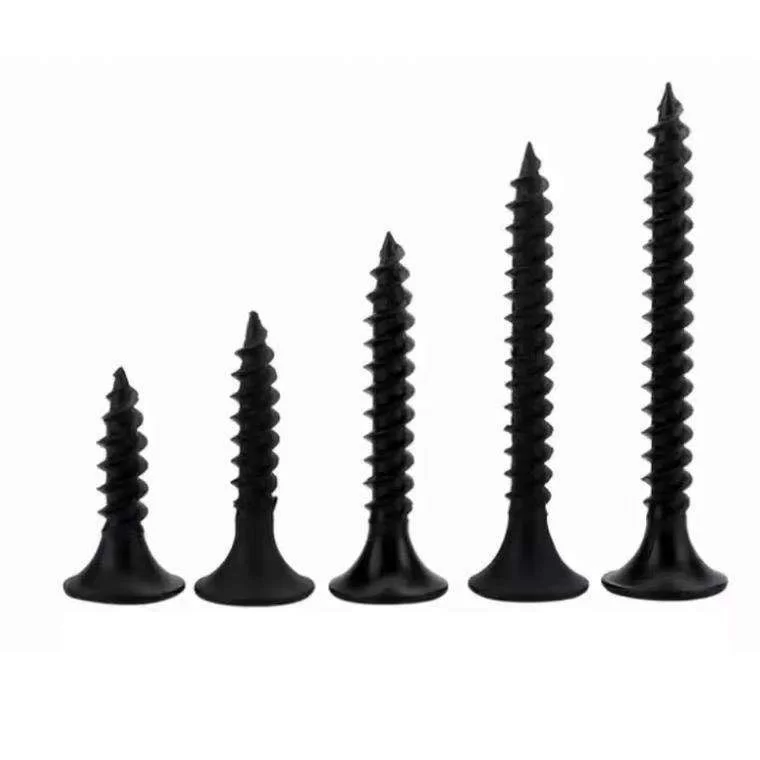
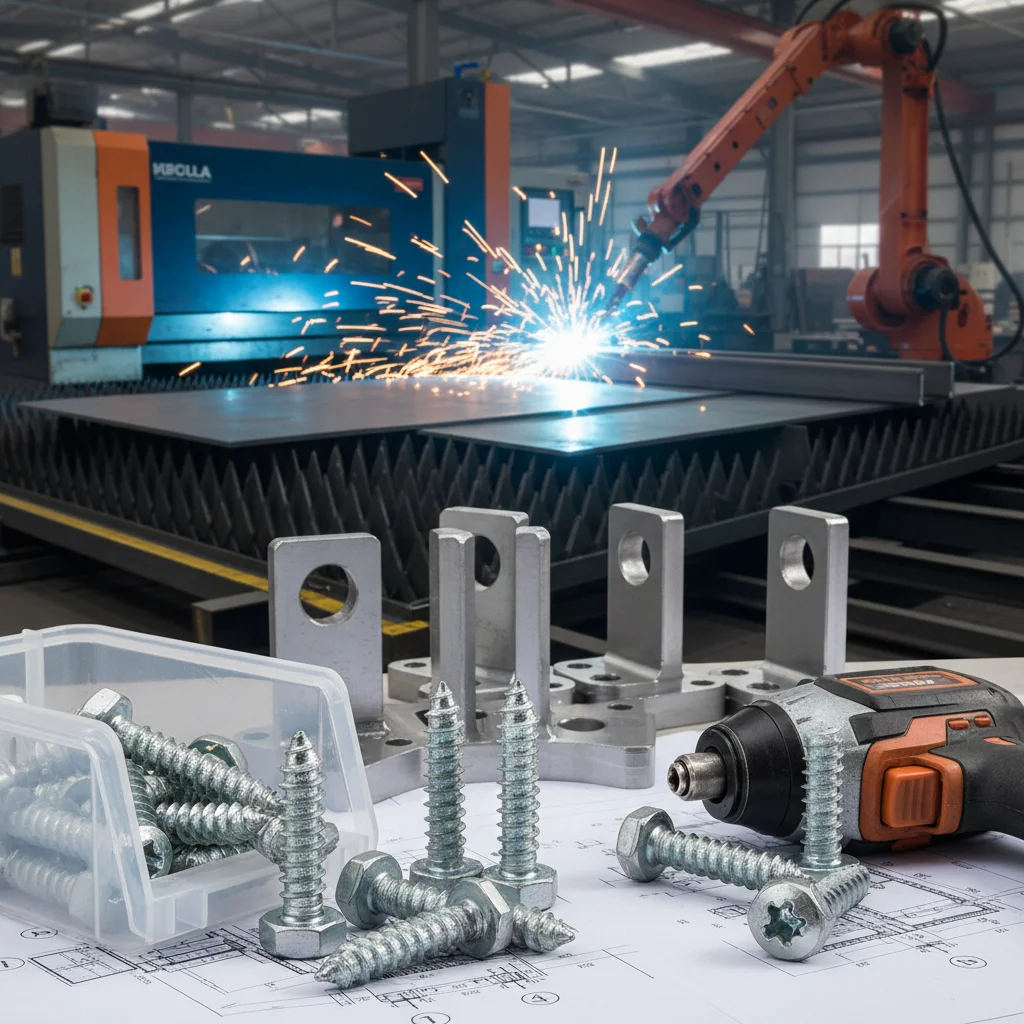
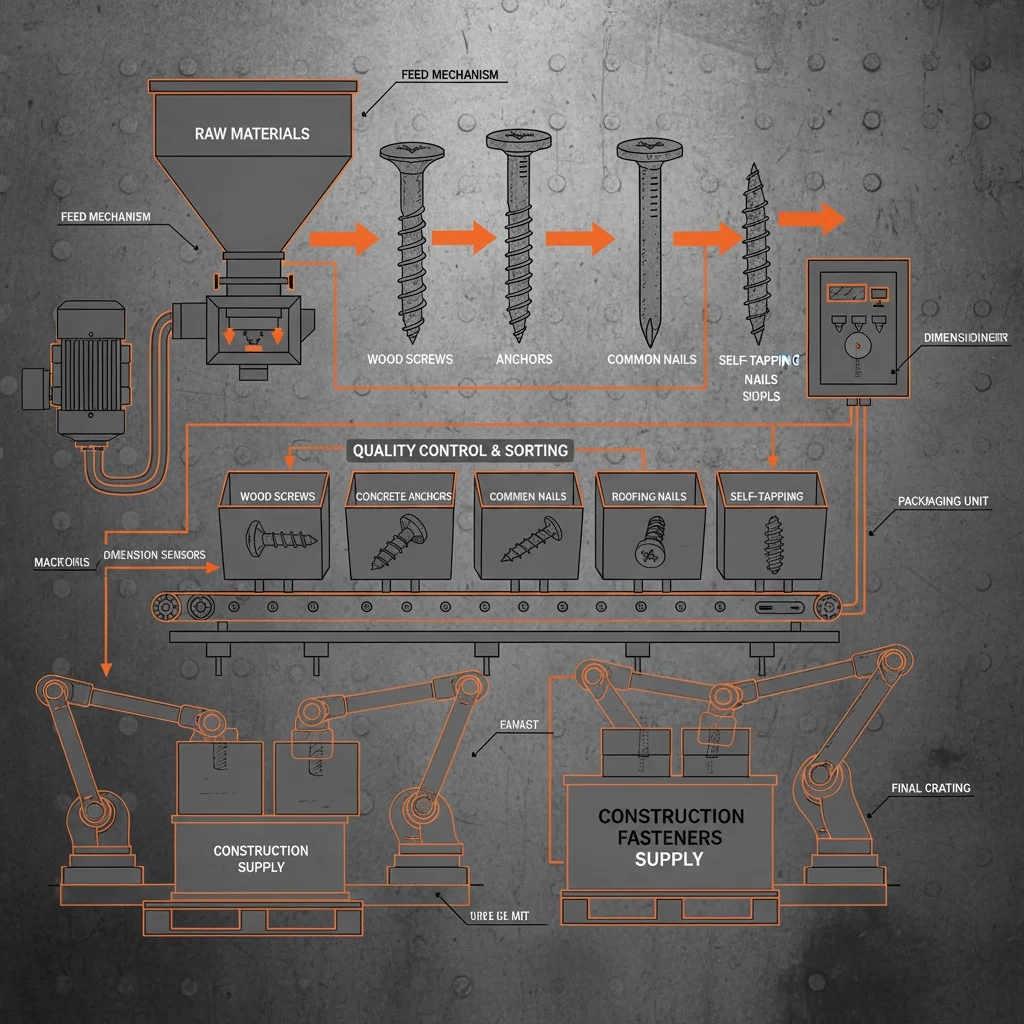
In simple terms, a truss tapping screw is a self-tapping screw designed specifically to fasten structural trusses — those frail-looking but vital metal frames supporting roofs, bridges, towers and more. Unlike regular screws, these have sharply pointed threads that “tap” into metal or wood instantly, eliminating the need for pilot holes. This design makes them incredibly practical for modern modular construction, quick roof repairs, and even humanitarian shelter building.
In essence, they’re the unsung heroes holding up buildings and infrastructure fast enough to meet global demand.
These screws are usually crafted from hardened steel with corrosion-resistant coatings (think zinc plating). This means they can take weather extremes, moisture, and chemical exposure — especially important in coastal or industrial environments.
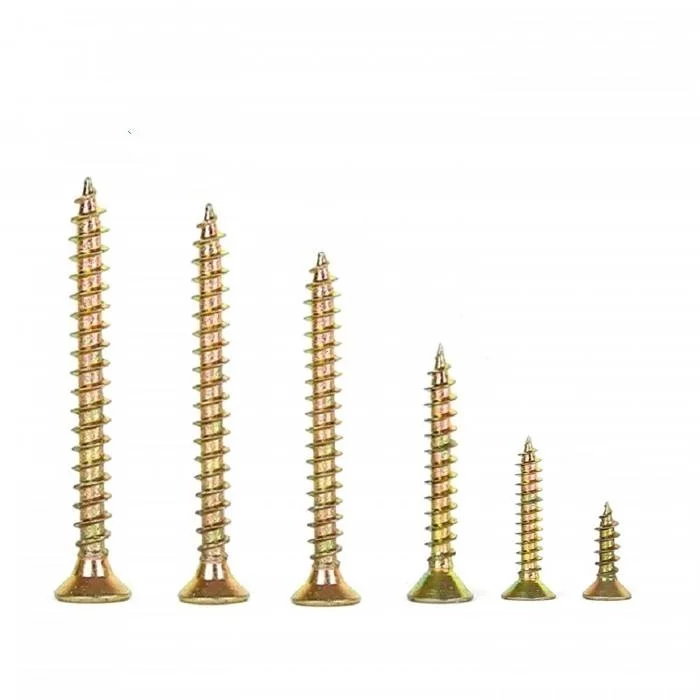
The unique, sharp, coarse threads dig into metal or wood directly. This means less time fussing with pre-drilling or additional hardware. The speed matters on-site, where every second counts.
Typically, they come with a countersunk or pan head design, providing smooth finishes and evenly distributed pressure, reducing the risk of splitting wood or distorting metal surfaces.
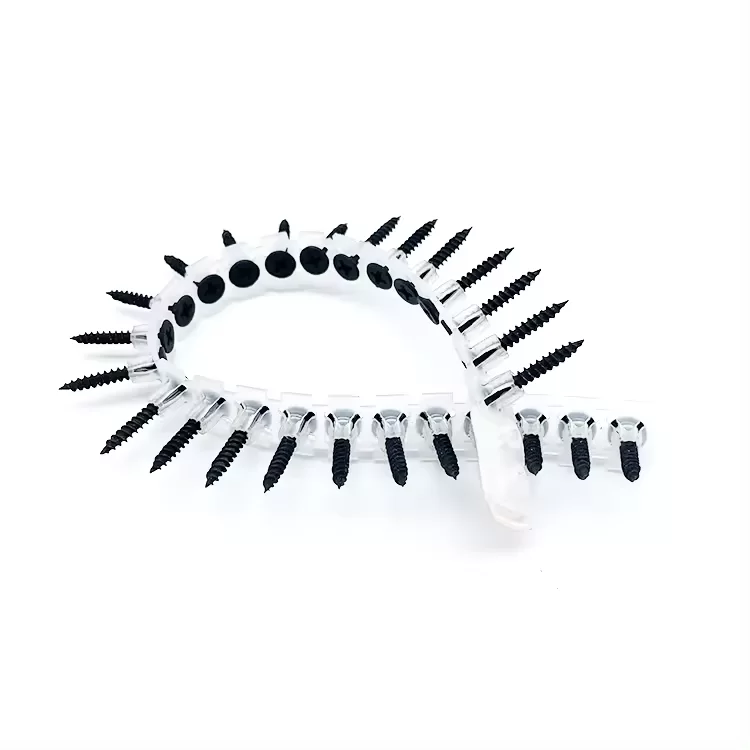
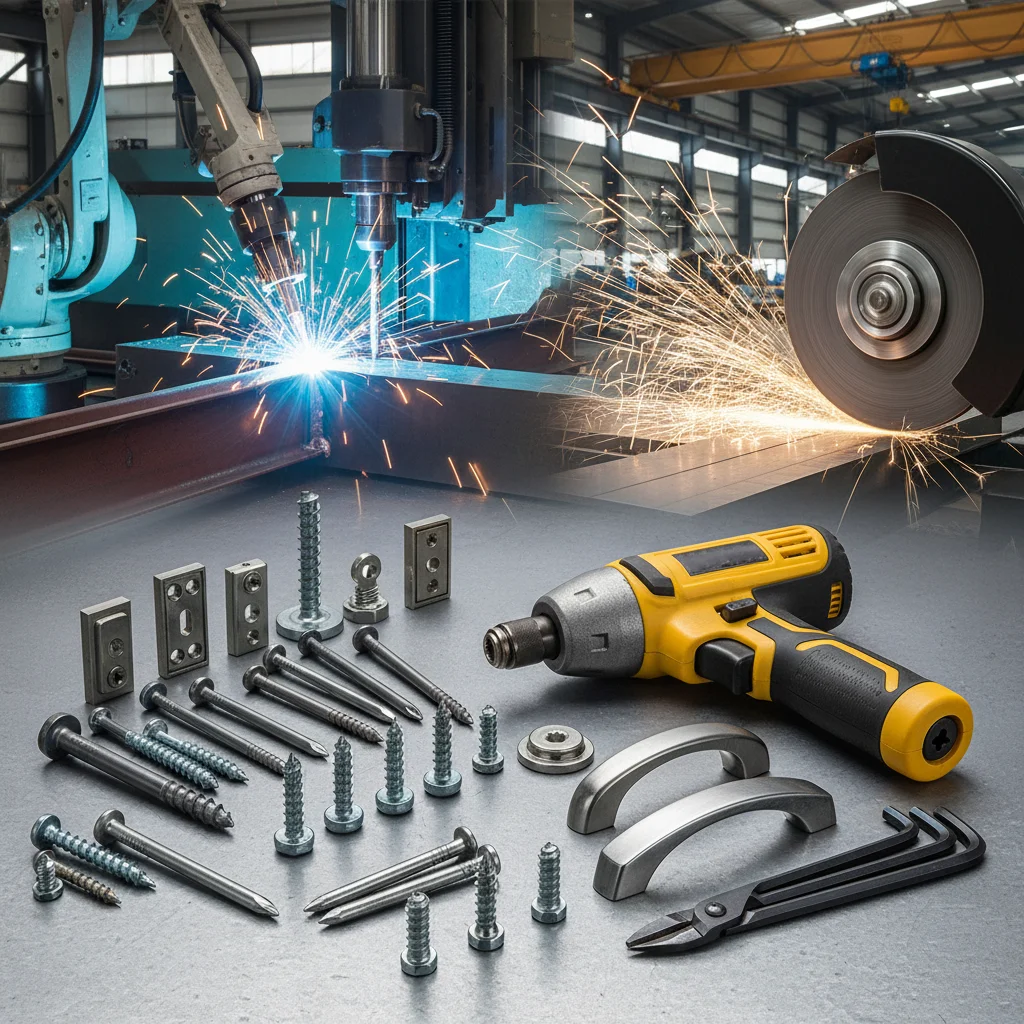
They’re available in various lengths, diameters, and coatings, allowing engineers to customize fasteners for projects ranging from tiny truss repairs to large-scale prefabricated panel installations.
While not inherently expensive, the savings often stem from reduced labor costs and faster assembly times — valuable in large projects or critical emergency deployments.
| Specification | Details |
|---|---|
| Material | Hardened Steel (Grade 8.8 or better) |
| Coating | Zinc Plated / Galvanized / Stainless Steel |
| Thread Type | Self-Tapping, Sharp Coarse Threads |
| Head Styles | Pan Head, Countersunk, Hex Washer |
| Sizes | #8 to #14 Diameter, 1 inch to 6 inches Length |
Industries from construction to renewables swear by them:
There’s also a surprisingly strong presence in modular housing developments aiming for speedy installation and long-lasting performance.
Mini takeaway: The truss tapping screw isn’t just hardware; it’s a global engineering tool that supports infrastructure resilience and rapid deployment in critical contexts.
| Vendor | Material Quality | Coating Options | Price Range (per 1000 pcs) | Special Features |
|---|---|---|---|---|
| Lianshiwjnail | Hardened Steel Grade 10.9 | Zinc Plating, Galvanized | $150 - $200 | Custom Lengths & Head Styles |
| FastFix Co. | Standard Hardened Steel | Zinc Plated Only | $120 - $180 | Bulk Discounts |
| MetalStrong | Stainless Steel Grade 316 | Stainless Steel Only | $180 - $250 | Best Corrosion Resistance |
Choosing the right truss tapping screw means:
Emotionally, installing strong, trustworthy fasteners rather than flimsy options means peace of mind and dignity in building — whether that’s a home or an emergency shelter.
We’re starting to see several exciting developments:
Anybody who’s worked with truss systems knows that not every screw fits every scenario. Some challenges include:
A1: They eliminate the need for pre-drilling, which saves time and reduces potential metal fatigue around holes. Their self-tapping thread ensures a snug fit that resists loosening from vibrations—a key advantage on rooftops exposed to wind.
A2: When installed correctly with quality screws and proper coatings, lifespans easily exceed 30 years. Of course, environmental factors matter, but durability is a hallmark of these fasteners.
A3: They work best with soft to medium thickness metals like galvanized steel or aluminum used in trusses. Extremely thick or hardened metals may require specialized fasteners.
A4: Yes, many suppliers offer international logistics and bulk packages tailored for humanitarian aid organizations, simplifying import procedures and ensuring timely delivery.
Mini summary: These fasteners are practical, durable, and versatile tools essential for today’s demanding construction environments—big and small.
When speed, strength, and sustainability matter, truss tapping screws answer the call. Whether you’re building a commercial roof or pitching a shelter after disaster strikes, these fasteners combine innovation with practicality. They reduce costs, lower risks, and empower faster construction globally.
If you’re interested in exploring designs or sourcing quality screws, don’t hesitate to visit Lianshiwjnail — a trusted name in reliable truss tapping screw solutions worldwide.
So next time you look up at a sturdy truss overhead, remember: tiny screws, big impact.
References:
1. United Nations World Population Prospects
2. Wikipedia: Self-tapping screw
3. ISO Standards on Fasteners
JOIN OUR NEWSLETTER


If you are interested in our products, you can choose to leave your information here, and we will be in touch with you shortly.