
Hit enter to search or ESC to close
Dec 3, 2025


When it comes to wood construction and woodworking, tapping screws for wood might not be the flashiest topic, but their global importance is hard to overstate. These specialized fasteners are crucial in everything from furniture assembly to large-scale infrastructure projects, and understanding their properties and applications can mean the difference between lasting quality and frustrating failure. In today’s world of sustainable materials and rapid construction techniques, tapping screws for wood play an ever more pivotal role. So, why exactly do these unassuming screws matter so much?
The United Nations emphasizes sustainable building practices, and wood—as a renewable resource—is front and center in that conversation. According to recent ISO surveys, the volume of wood used for construction and industrial purposes is growing steadily, especially in regions focusing on eco-friendly development like Scandinavia and parts of Southeast Asia. But raw wood is only half the story: securely fastening wood components together requires specialized hardware that accommodates wood’s unique properties—this is where tapping screws come into play.
Of course, challenges arise, especially in regions with variable climates or limited access to high-grade metal hardware, where durability and corrosion resistance become critical concerns. Using the wrong fastener might cause structural weaknesses, which makes understanding tapping screws for wood essential for engineers and craftsmen alike.
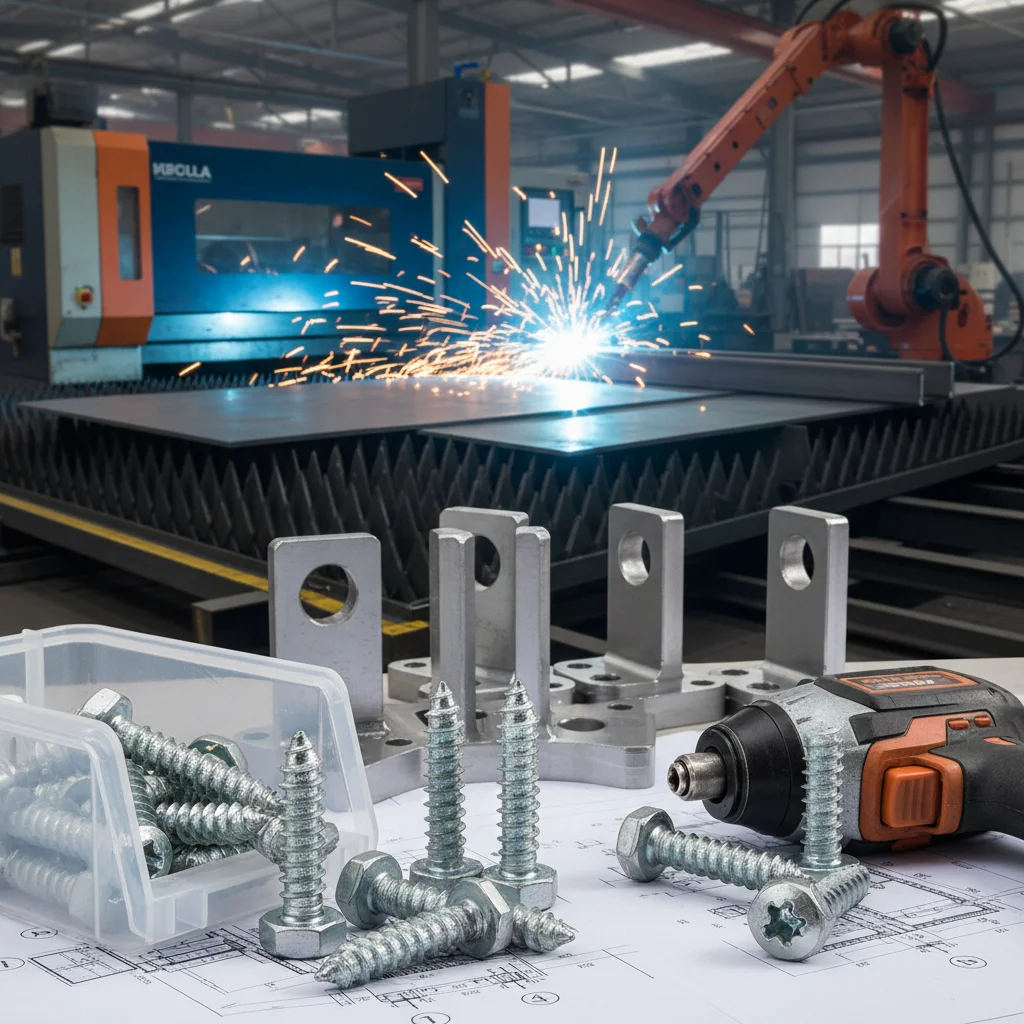
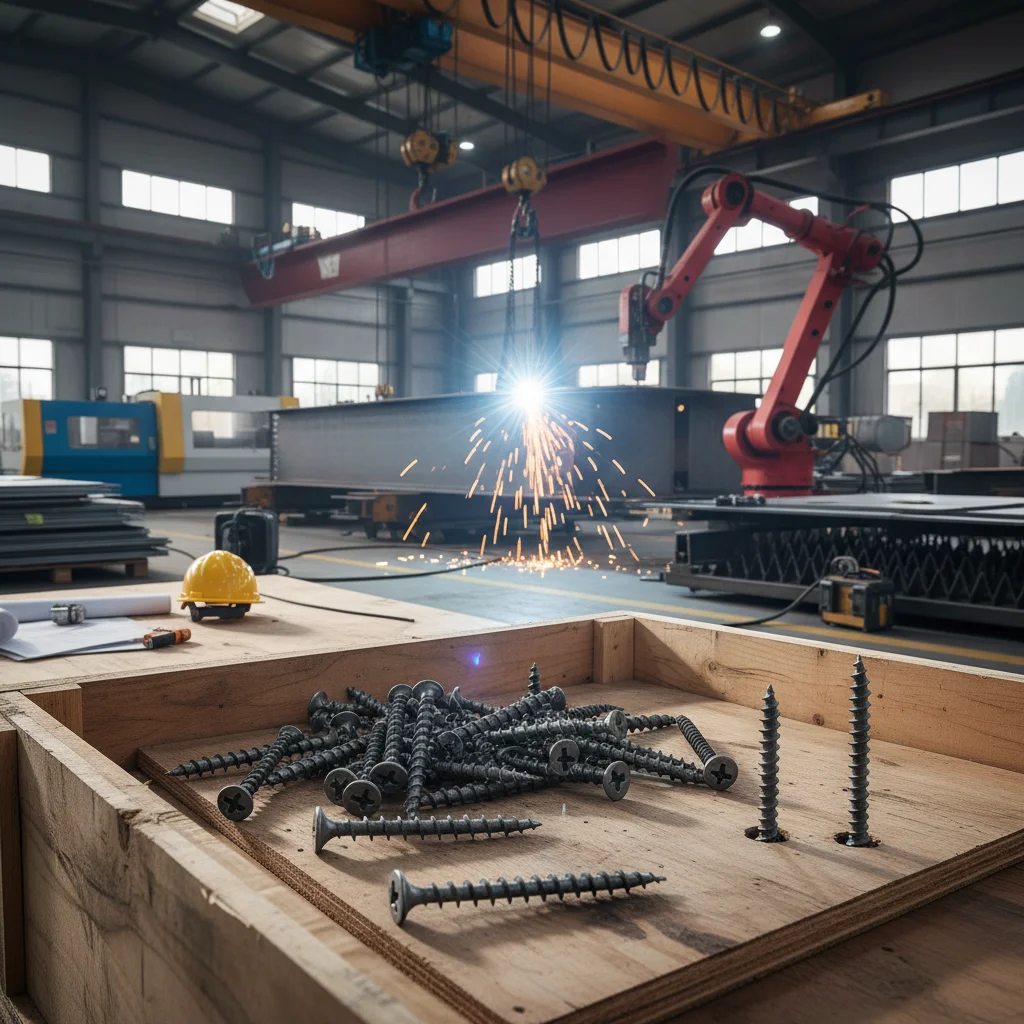
In simple terms, tapping screws for wood are screws designed with threading tight enough to bite into wood, creating their own threads as they are installed. Unlike traditional wood screws that may require a pilot hole, many tapping screws can self-tap their way into timber, saving time and effort while ensuring a strong grip. They often feature sharp tips and corrosion-resistant coatings specifically designed for wood’s fibrous structure.
Beyond woodworking shops, these screws have an important humanitarian angle: in disaster relief or remote community housing projects, fasteners that enable quick, secure assembly without heavy tools are invaluable. They help facilitate affordable, durable shelter construction that can withstand the elements and provide safety and dignity.
Wood projects often face moisture, insects, and temperature fluctuations. Screws with stainless steel or galvanized coatings tend to hold up best, preventing rust and wood damage.
Different wood densities call for different threading. Coarse threads are suited for softwoods, while fine threads work better with hardwoods to avoid splitting.
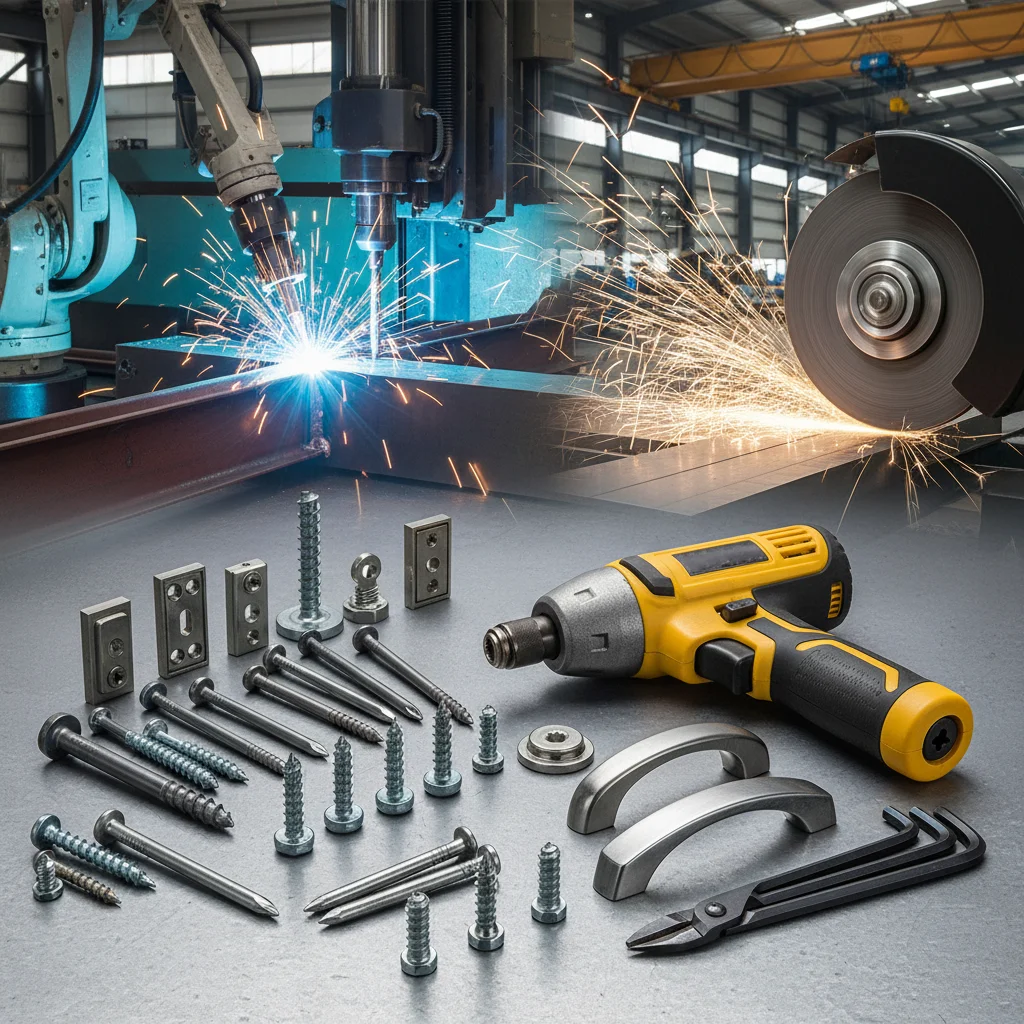
Flat heads allow for countersinking, creating flush finishes, while pan heads provide surface grip. Choosing the right drive—Phillips, Torx, or square—affects assembly speed and torque.
Especially in large projects, bulk availability of reliable screws can make or break budgets. Some vendors offer volume discounts without compromising quality.
Eco-conscious construction prioritizes screws made with recycled metals or low-impact manufacturing, aligning with green certifications.
| Attribute | Description |
|---|---|
| Material | Stainless steel, galvanized steel |
| Thread Type | Coarse and fine threads depending on wood type |
| Length | Range from 10 mm to 150 mm |
| Head Style | Flat, pan, bugle |
| Drive Type | Phillips, Torx, square |
Mini takeaway: Selecting the right tapping screws for wood involves balancing material, thread, and head design to the specific woodworking context.
In Scandinavia, tapping screws for wood support an expanding market for wooden skyscrapers and climate-responsive housing. Meanwhile, NGOs working in Southeast Asia leverage these screws for rapid shelter construction after floods or typhoons, where delays cost lives. Industrial settings, like remote mining camps in Canada, rely on them for modular wooden structures that can be quickly assembled and disassembled.
Even hobbyists benefit; woodworkers worldwide choose tapping screws for projects from cabinetry to decking, appreciating their ease of use and strength.
Looking ahead, innovation is vibrant. There’s growing interest in bio-based coatings that resist mold and termites without harsh chemicals. Additive manufacturing (3D printing) might soon allow custom screw designs tailored to wood type or environment. Automation in construction increasingly calls for screws optimized for robotic drivers, improving speed and precision. Lastly, efforts to reduce carbon footprints have manufacturers exploring electric arc furnace steel recycled from scrap to produce tapping screws greener than ever before.
The main challenge is balancing cost vs. performance, especially where corrosion resistance is critical but budgets are tight. Availability in rural or developing regions can lag behind demand. Innovators suggest supply chain digitization and localized manufacturing as pivotal fixes—smart logistics reduce downtime and open new markets for quality fasteners.
| Vendor | Material Quality | Range of Sizes | Eco-Friendly Options | Price per Unit (USD) |
|---|---|---|---|---|
| Lian Shiw | Premium stainless steel | Wide (10–150 mm) | Yes, recycled steel options | 0.05 - 0.12 |
| WoodFast Inc. | Galvanized steel | Moderate (20–120 mm) | Limited | 0.04 - 0.10 |
| EcoScrew Ltd. | Recycled steel | Narrow (15–100 mm) | Strong focus | 0.07 - 0.15 |
Frankly, tapping screws for wood are these quiet workhorses of construction and crafting; their smart design and material choices influence everything from sustainable architecture to quick-response shelter building. Getting to grips with their specs, uses, and challenges offers long-term benefits that go beyond the obvious — it's about safety, reliability, and smarter building globally.
If you’re curious to explore durable, eco-friendly tapping screws and more, I suggest checking out reliable suppliers like tapping screws for wood providers who specialize in quality and innovation.
In real terms, a good screw can make your project—not just hold wood together but build trust in your craft.
JOIN OUR NEWSLETTER


If you are interested in our products, you can choose to leave your information here, and we will be in touch with you shortly.