The global infrastructure landscape relies heavily on the precision and reliability of specialized fastening solutions. In the realm of modern assembly, the selection of high-quality components is not merely a matter of convenience but a fundamental requirement for structural integrity and long-term safety across various industrial sectors.
From the intricate assembly of modular furniture to large-scale industrial frameworks, the demand for versatile and durable hardware continues to grow. As urban development accelerates globally, the focus has shifted toward materials that offer both high tensile strength and ease of installation to reduce labor costs and improve project timelines.
Understanding the technical specifications of construction hardware is essential for engineers and procurement specialists who aim to balance cost-efficiency with rigorous safety standards. By integrating advanced materials like C1022A steel and specialized surface treatments, the industry ensures that every connection remains secure under diverse environmental stresses.

Global Relevance of Fastening Solutions
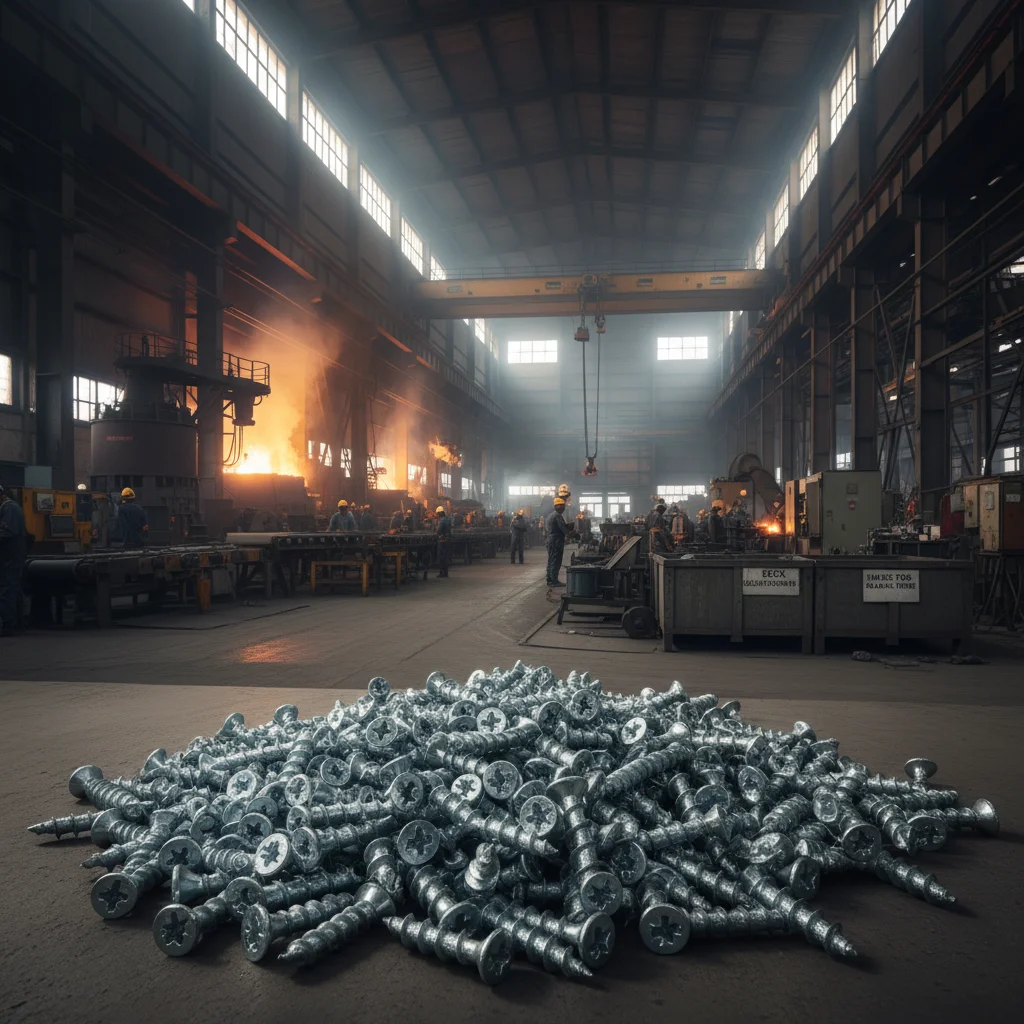
On a global scale, the stability of built environments depends on the smallest components. The industrial manufacturing of fasteners, particularly those used in the furniture and construction sectors, follows strict ISO standards to ensure that a screw produced in Hebei, China, performs identically to one used in a project in Europe or North America.
The challenge facing the modern industry is the need for "fast-assembly" solutions that do not compromise on Grade 8 strength. As the world moves toward prefabricated structures and ready-to-assemble furniture, the reliance on high-performance construction hardware has become a critical pillar of the global supply chain.
Defining Modern Construction Hardware
In simple terms, construction hardware refers to the essential metal components used to join, secure, and support structural elements. While the term is broad, in the context of furniture and general industry, it specifically encompasses fasteners like chipboard screws that are designed to create a tight, permanent bond between composite wood materials or metal sheets.
The connection to modern industry lies in the transition from traditional carpentry to engineered assembly. Today's hardware must accommodate various materials, requiring specific thread types—such as self-tapping threads—that allow the fastener to create its own hole, thereby increasing installation speed and reducing the need for pre-drilling.
Beyond simple utility, these components address humanitarian and economic needs by enabling the rapid production of affordable housing and functional furniture. When hardware is standardized and reliable, it lowers the barrier to quality construction, making safe living environments more accessible worldwide.
Core Components of Chipboard Screws
The effectiveness of construction hardware like the chipboard screw is determined by its material composition. Utilizing steel C1022A provides the necessary balance of hardness and ductility, ensuring that the screw does not snap under torque while maintaining a grip that prevents loosening over time.
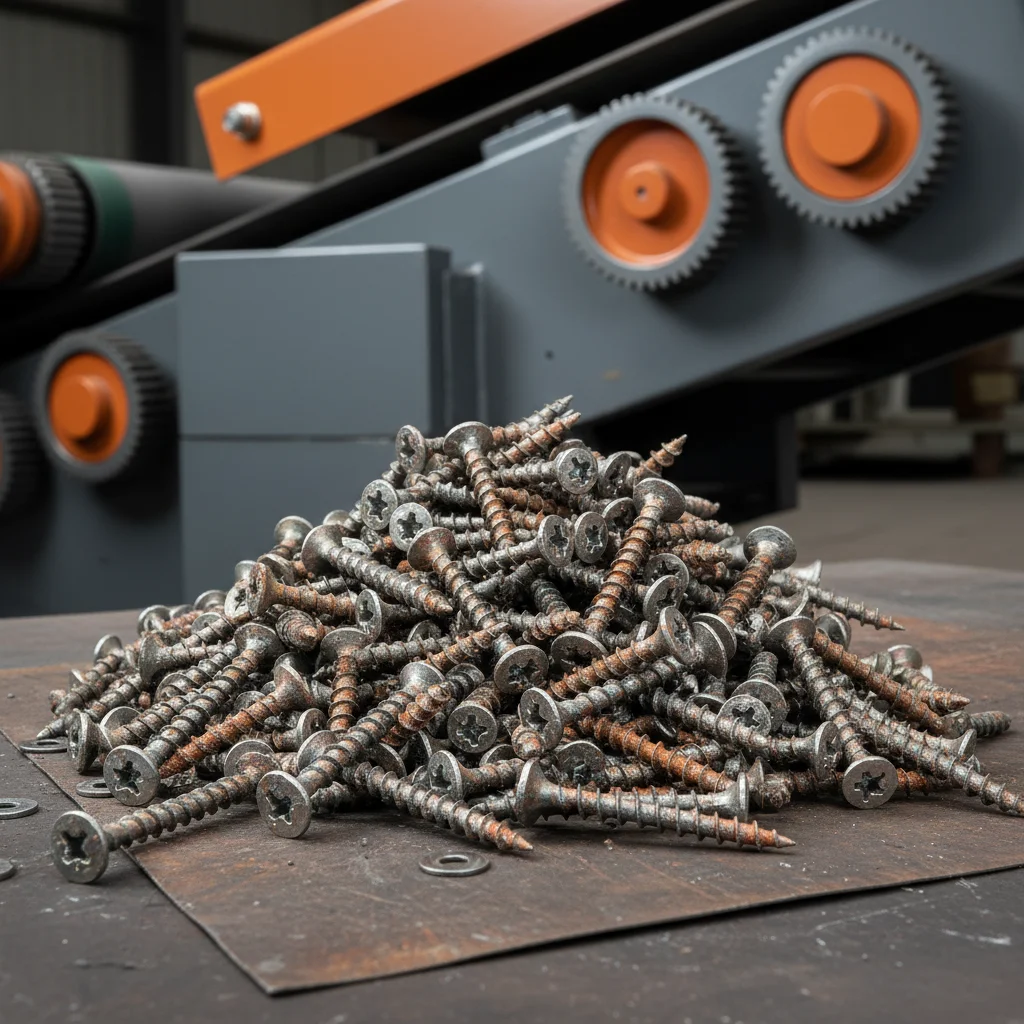
Another critical factor is the surface treatment. Zinc plating is widely employed to protect the steel from corrosion, which is vital for hardware used in humid environments or in furniture exposed to moisture. This chemical barrier ensures that the structural integrity of the joint remains intact for decades.
Finally, the geometry of the screw—including the Hex washer head and the spiral shank—plays a pivotal role. The hex drive style allows for higher torque application with less risk of cam-out, while the self-tapping thread ensures a secure fit in chipboard and other soft-core materials, defining the high standard of modern construction hardware.
Performance Metrics for Industrial Hardware
Evaluating the quality of fasteners requires a look at specific performance metrics. Grade Class 8 fasteners are engineered to withstand significant shear and tensile loads, making them ideal for general industrial applications where failure is not an option. The precision of the metric measurement system ensures global compatibility and seamless integration into automated assembly lines.
When comparing different types of construction hardware, professionals look at the "drive-to-grip" ratio and the corrosion resistance of the plating. The following data represents the relative performance ratings of various fastener specifications used in high-demand environments.
Industrial Fastener Performance Analysis
Global Applications in Furniture and Industry
The furniture industry is one of the primary consumers of specialized construction hardware. Chipboard screws with lengths ranging from 13mm to 150mm allow for the construction of everything from small cabinetry to large wardrobes, providing the necessary grip in engineered wood panels.
Beyond the home, these fasteners are critical in general industrial settings. In regions with booming manufacturing sectors, such as Southeast Asia and Eastern Europe, the ability to customize OEM specifications for screws allows companies to optimize their assembly processes for specific material densities and weight-bearing requirements.
Long-Term Value and Reliability
The long-term value of investing in premium construction hardware manifests in reduced maintenance costs and enhanced user safety. A screw that maintains its tension without stripping or corroding prevents the gradual destabilization of furniture and structures, which is essential for consumer trust and brand reputation.
From a logical perspective, the use of Grade 8 steel and zinc plating reduces the frequency of replacements. When hardware is chosen based on a rigorous understanding of the application—such as using a spiral shank for better penetration in hard chipboard—the overall lifespan of the end product is significantly extended.
Emotionally, the reliability of these components provides peace of mind. Whether it is a child's crib or an industrial workstation, knowing that the fastening points are secure allows designers and users to focus on functionality rather than worrying about structural failure.
Future Trends in Metal Fasteners
The future of construction hardware is being shaped by the drive toward sustainability and automation. We are seeing a shift toward "green" plating technologies that reduce the environmental impact of zinc coatings while maintaining the same level of corrosion resistance.
Digital transformation is also playing a role, with the integration of AI in manufacturing to optimize the thread geometry of self-tapping screws. This ensures that fasteners can be driven faster and more accurately by robotic arms in fully automated furniture factories, reducing waste and increasing precision.
As we move toward more modular and circular economy models, hardware is being designed for easier disassembly without damaging the parent material. This allows for the recycling of wood and metal components, aligning industrial production with global sustainability goals.
Comparative Analysis of Construction Hardware Specifications
| Specification Feature | Industrial Impact | Durability Score | Application Area |
|---|
| Steel C1022A | High tensile strength | 9/10 | Heavy-duty Furniture |
| Zinc Plated | Corrosion resistance | 8/10 | Humid Environments |
| Self-tapping Thread | Rapid installation | 7/10 | Chipboard Assembly |
| Hex Washer Head | High torque stability | 9/10 | General Industry |
| Grade Class 8 | Maximum load capacity | 10/10 | Structural Frameworks |
| Spiral Shank | Reduced friction | 8/10 | Dense Wood Boards |
FAQS
C1022A steel is a medium-carbon steel that provides an optimal balance of strength and flexibility. In the context of construction hardware, this means the screw can withstand the high torque required for self-tapping into dense chipboard without snapping, while remaining hard enough to maintain the integrity of the threads over time.
Yes, zinc plating creates a sacrificial anodic layer that protects the underlying steel from oxidation. For furniture and general industry hardware, this is crucial because it prevents rust streaks from forming on the wood surface and ensures that the fastener does not weaken due to corrosion in humid conditions.
A Hex Washer head provides a larger bearing surface, which distributes the clamping force more evenly across the material. This prevents the screw head from sinking too deep into the chipboard and allows for the use of power tools with higher torque, making it more efficient for industrial assembly.
While Grade 8 screws offer superior strength, they should be matched to the material's density. In very soft materials, a Grade 8 screw might be overkill and could potentially strip the material if over-tightened. However, for any application requiring high load-bearing capacity, they are the industry standard for safety.
A spiral shank helps in removing debris from the hole as the screw is driven in. This reduces the friction and heat generated during installation, which prevents the material from splitting and allows the screw to be driven more smoothly and quickly into the workpiece.
OEM customization allows a manufacturer to tailor the length, thread pitch, and head style to their exact material specifications. This often leads to a more secure fit and faster assembly times compared to standard hardware, which may not perfectly match the specific density of the engineered wood being used.
Conclusion
The technical synergy between material choice, surface treatment, and geometric design is what defines high-performance construction hardware. From the use of C1022A steel and Grade 8 strength to the efficiency of self-tapping threads and zinc plating, every detail contributes to the overall stability and longevity of the final product. By prioritizing these specifications, manufacturers can ensure that their furniture and industrial assemblies meet the highest global standards of safety and quality.
Looking ahead, the industry will continue to evolve through the adoption of sustainable coatings and automated precision manufacturing. For businesses aiming to optimize their production lines, the key lies in selecting fasteners that balance technical rigor with installation efficiency. To explore a comprehensive range of professional fastening solutions, visit our website: www.lianshiwjnail.com.