Understanding the nuances of j bolt construction is essential for ensuring the structural integrity of modern architectural projects. While traditional anchoring methods provide stability, the strategic integration of high-strength fasteners allows for greater flexibility in load-bearing designs and seismic resilience across global construction sites.
In the current global industrial landscape, the demand for precision-engineered hardware has surged as urban infrastructure expands. The shift toward standardized, high-grade steel components ensures that connections remain secure under extreme tension, reducing the risk of structural failure in high-density residential and commercial zones.
By focusing on material science and precise manufacturing—such as the use of zinc-flake coatings and high-grade stainless steel—the industry is redefining how j bolt construction contributes to the longevity of furniture and architectural fixtures. This synergy of strength and corrosion resistance is the cornerstone of sustainable building practices.

Global Relevance of j bolt construction
From an international perspective, j bolt construction serves as a critical intersection between architectural design and structural safety. According to ISO standards for fasteners, the ability of a bolt to resist shear and tension is paramount in seismic zones, where flexible yet firm anchoring prevents catastrophic collapses during earth movements.
As emerging economies invest heavily in infrastructure, the adoption of standardized fastening systems has streamlined the building process. The integration of precise steel grades and specialized coatings ensures that these components can withstand diverse climates, from the humid tropics to the freezing arctic, maintaining a consistent safety threshold worldwide.
Defining the Mechanics of j bolt construction
At its core, j bolt construction refers to the engineering and installation of J-shaped anchoring bolts used primarily to secure structural elements to concrete foundations. Unlike straight bolts, the "J" hook provides a mechanical interlock within the cured concrete, creating a bond that is significantly more resistant to pull-out forces.
In the context of modern furniture hardware and architectural accessories, this concept extends to how high-strength steel is formed and treated. The transition from raw steel to a finished, galvanized, or zinc-flake coated fastener involves precision cold-forming and thermal processing to ensure the head and shank maintain their integrity under stress.
This mechanical approach is vital for humanitarian and rapid-deployment housing projects. By utilizing pre-engineered fastening solutions, NGOs and construction firms can assemble stable shelters in disaster-prone areas with minimal specialized labor, relying on the inherent stability provided by the J-bolt's geometry.
Core Components and Material Integrity
The effectiveness of j bolt construction depends heavily on the material grade. For instance, utilizing Stainless Steel or Class 6 Steel ensures that the fastener can handle high tensile loads without deformation, which is critical for supporting heavy architectural decorative hardware.
Surface treatment is another pillar of j bolt construction. Galvanized finishes and Zinc-Flake coatings act as a sacrificial layer, preventing oxidation and corrosion in moist environments, thereby extending the lifespan of the entire structural assembly from a few years to several decades.
Furthermore, the geometry of the head—whether flat or round—determines the load distribution across the surface. In professional j bolt construction, a flat head is often preferred for a seamless architectural finish, ensuring that the hardware does not protrude while maintaining maximum clamping force.
Practical Applications in Modern Industry
In real-world scenarios, the principles of j bolt construction are applied across various sectors, from heavy industrial machinery mounting to the installation of high-end household hardware. In remote industrial zones, where maintenance access is limited, the reliability of galvanized steel fasteners prevents costly downtime caused by rust-induced failure.
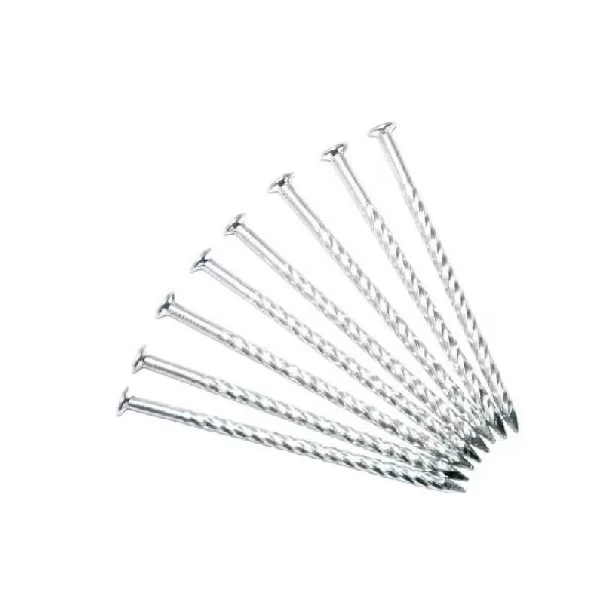
Moreover, the use of gas shooting nails and tapping screws complements traditional bolting methods, allowing for faster installation of secondary structures. When integrated into a holistic fastening strategy, these components ensure that every joint in the building's skeleton is optimized for both speed of assembly and long-term stability.
Comparative Performance of j bolt construction Methods
Long-Term Value and Structural Reliability
The long-term value of investing in high-quality j bolt construction lies in the reduction of lifecycle costs. By selecting fasteners with superior corrosion resistance, such as those with silver and yellow galvanized finishes, developers avoid the frequent replacement cycles that plague lower-grade installations.
Beyond the financial aspect, there is an emotional angle of trust and safety. When a structure is anchored using verified Class 6 steel and precision-engineered J-bolts, it provides peace of mind to occupants and engineers alike, ensuring that the architectural vision is supported by an invisible but invincible foundation.
Future Innovations in Fastening Technology
As we move toward "Green Construction," the evolution of j bolt construction is leaning toward sustainable materials and carbon-neutral manufacturing. New alloys are being developed that offer the strength of stainless steel but with a significantly lower environmental footprint during the smelting process.
Digital transformation is also playing a role, with BIM (Building Information Modeling) allowing engineers to simulate the stress points of j bolt construction before a single bolt is cast into concrete. This precision reduces material waste and optimizes the number of fasteners required for maximum safety.
Furthermore, the integration of smart sensors within anchor bolts is an emerging trend. These "intelligent fasteners" can alert facility managers to tension loss or corrosion in real-time, transforming passive hardware into an active monitoring system for structural health.
Challenges and Engineering Solutions
One of the primary challenges in j bolt construction is the potential for misalignment during the concrete pouring process. Even a slight shift in the bolt's position can make it impossible to mount the subsequent steel columns, leading to expensive corrective drilling and epoxy injections.
To overcome this, engineers are adopting precision templates and adjustable anchor systems. By utilizing smooth shank designs and standardized diameters (such as 6.3mm), installers can ensure a more consistent fit and easier adjustment, reducing the margin of error during high-pressure construction phases.
Additionally, combatting galvanic corrosion—which occurs when dissimilar metals touch—requires a strategic choice of coatings. The use of specialized zinc-flake coatings serves as a buffer, neutralizing the electrochemical reaction and ensuring that the j bolt construction remains secure even in saline coastal environments.
Technical Analysis of j bolt construction Material Specifications
| Material Grade |
Surface Treatment |
Tensile Strength |
Application Suitability |
| Stainless Steel |
Galvanized |
High |
Coastal/Marine |
| Class 6 Steel |
Zinc-Flake Coated |
Medium-High |
Industrial Frameworks |
| Carbon Steel |
Silver Galvanized |
Medium |
Interior Hardware |
| Alloy Steel |
Yellow Galvanized |
Very High |
Heavy Machinery |
| Mild Steel |
Plain/Oiled |
Low-Medium |
Temporary Fixtures |
| High-Tensile Steel |
Zinc-Flake Coated |
Extreme |
Bridge Construction |
FAQS
The primary advantage is the mechanical anchorage provided by the hook. In j bolt construction, the J-shape embeds itself into the concrete, preventing the bolt from being pulled out under tension. This creates a significantly stronger bond than straight bolts, which rely solely on friction or chemical adhesives.
Zinc-flake coating provides a superior barrier against corrosion compared to traditional galvanizing. It offers high salt-spray resistance, which is critical for j bolt construction in outdoor or industrial environments where exposure to moisture and chemicals would otherwise cause the steel to rust and weaken.
For heavy-duty applications, Class 6 Steel or high-grade Stainless Steel is recommended. These materials provide the necessary yield strength to support significant loads without permanent deformation, ensuring the safety and longevity of the structure.
Yes, while the large-scale "J-bolt" is for concrete, the principles of J-shaped fastening and high-strength steel bolts are used in furniture to create secure, disassembled joints that can withstand repeated loading and unloading without loosening.
The best way to prevent misalignment in j bolt construction is to use a rigid steel template to hold the bolts in place during the concrete pour. Additionally, choosing bolts with smooth shanks allows for slight adjustments during the final mounting phase.
Not necessarily. While galvanized finishes are cost-effective and provide great protection, Stainless Steel is inherently corrosion-resistant and is superior for extreme environments like saltwater exposure where any coating might eventually chip or wear off.
Conclusion
In summary, j bolt construction represents the essential marriage of geometric design and material science. By leveraging high-grade steel, advanced coatings like zinc-flake, and precise mechanical shapes, the industry ensures that structures remain stable, safe, and durable against the elements. From the smallest piece of furniture hardware to the largest architectural foundation, the quality of the fastener determines the reliability of the whole.
Looking forward, the shift toward sustainable alloys and digital simulation will further refine these processes, making construction faster and more eco-friendly. We encourage engineers and architects to prioritize certified material grades and specialized coatings to maximize the lifespan of their projects. For premium fastening solutions, visit our website: www.lianshiwjnail.com