
Premium Furniture Fastening Solutions Optimized Cabinet Screws for Mexico

Premium Furniture Fastening Solutions: Optimized Cabinet Screws for Mexico

Engineering high-precision hardware for the Mexican furniture manufacturing sector, combining durability with seamless installation for modern cabinetry.

Premium Furniture Fastening Solutions: Optimized Cabinet Screws for Mexico

Providing the Mexican furniture industry with professional-grade fastening components, from structural screws to specialized hardware rails, ensuring longevity and structural integrity.

Analyzing the Furniture Hardware Landscape in Mexico

How regional economic growth and climate factors shape the demand for specialized metal accessories.

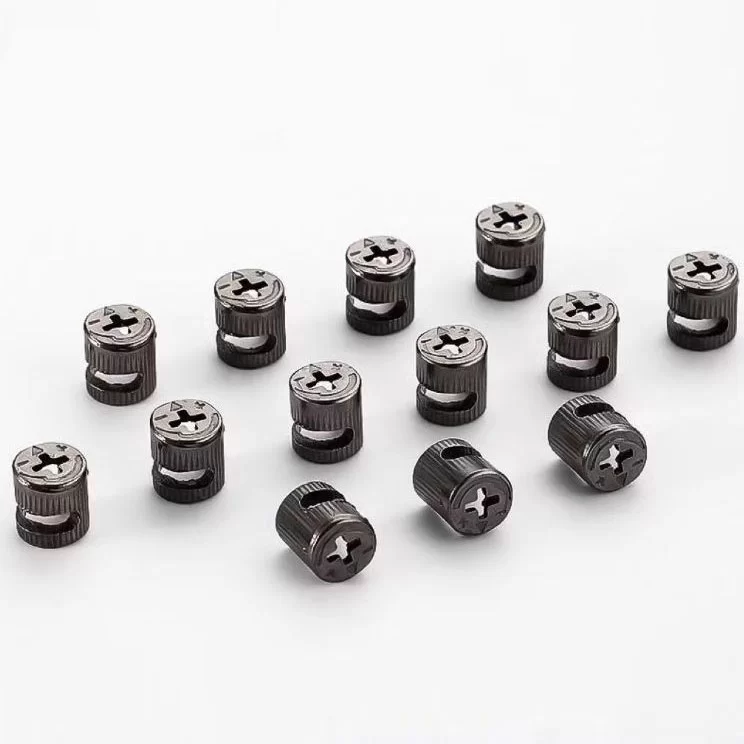
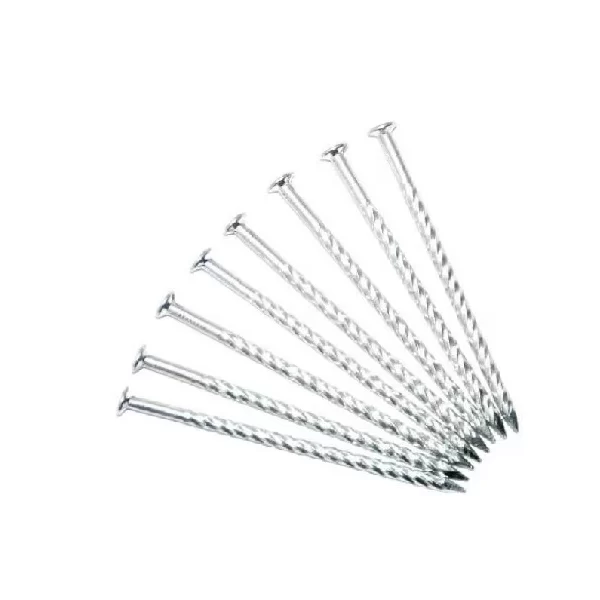
Mexico's furniture industry is currently experiencing a surge in demand driven by the "nearshoring" trend, where manufacturing hubs are expanding to serve the North American market. This has led to an increased requirement for high-standard Chupboard Screws that can withstand rapid assembly lines without compromising the structural bond of the wood.

Environmentally, the diverse Mexican climate—ranging from the humid coastlines to the arid highlands—demands hardware with superior corrosion resistance. The prevalence of solid wood mixed with MDF in local cabinetry requires precise threading to prevent splitting, making the choice of high-tensile steel components critical for longevity.

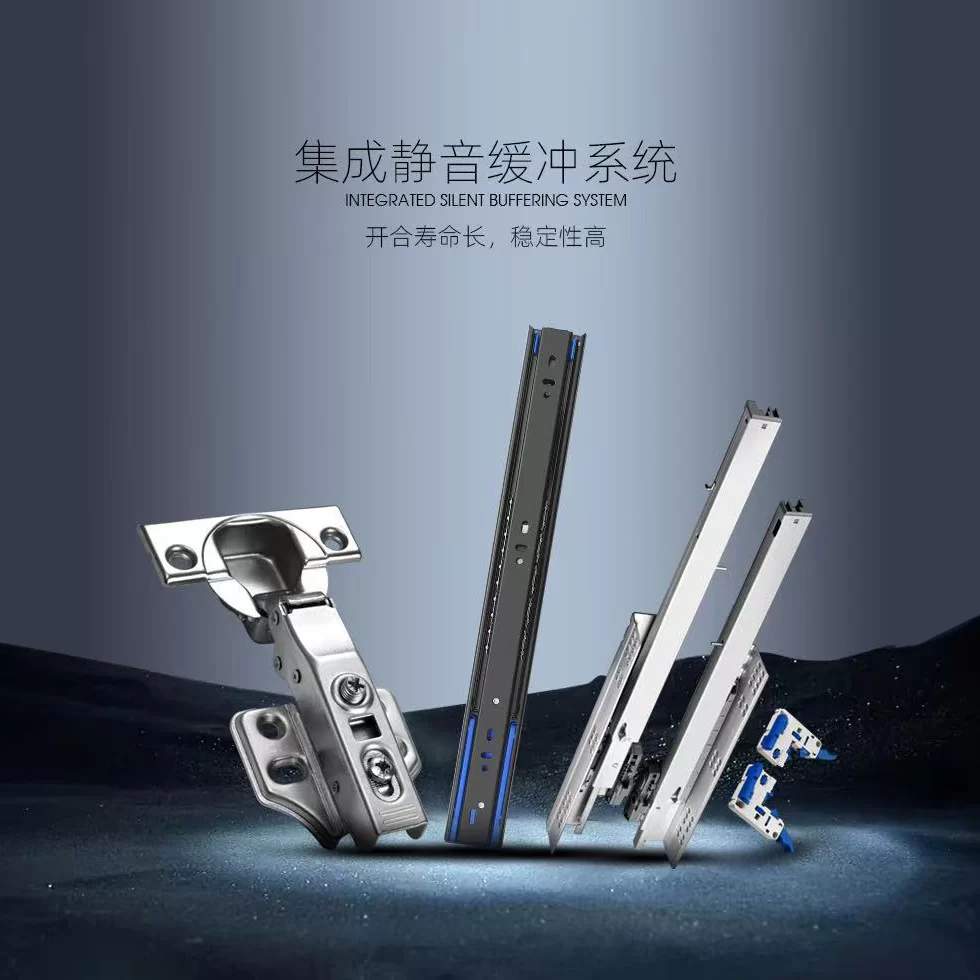
Furthermore, the shift toward modular furniture in urban centers like Mexico City and Guadalajara has increased the adoption of dresser hardware rails, as consumers demand more functional and space-saving interior storage solutions in smaller living spaces.
Evolution of Furniture Hardware Technology

From traditional craftsmanship to precision-engineered industrial components.

Market Development History

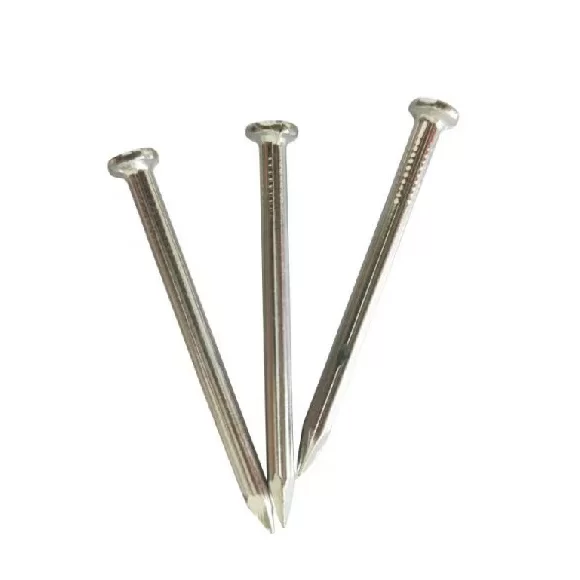
In the early 20th century, Mexican furniture relied heavily on manual joinery and basic nails. By the 1970s, the introduction of standardized machine screws began to replace traditional pegs, allowing for easier repair and disassembly of heavy furniture pieces.

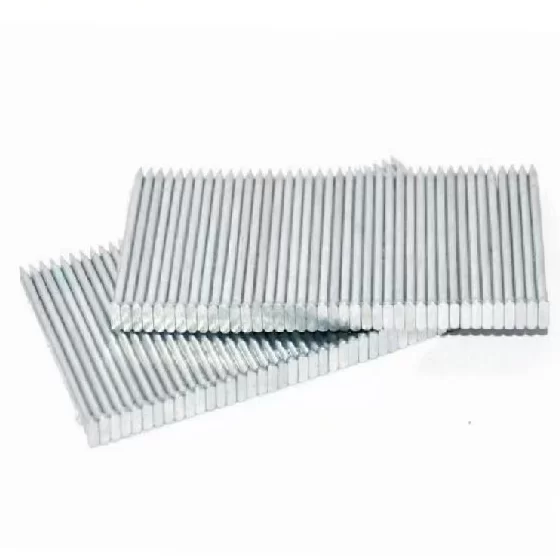
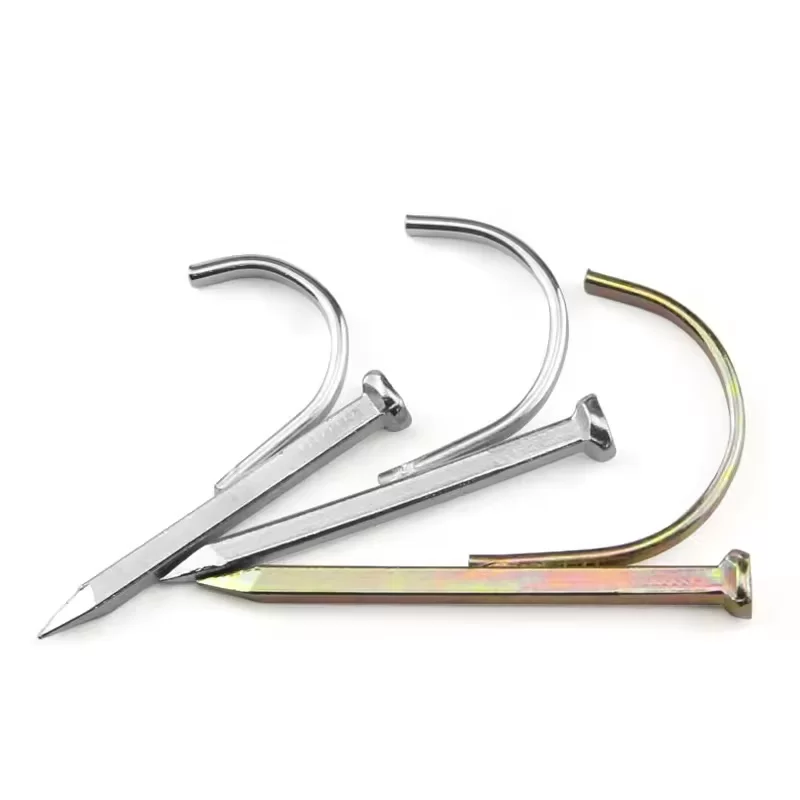
The 1990s marked a transition toward mass production, where staple shaped fasteners and early pneumatic tools were integrated into factories to speed up the assembly of upholstery and cabinet backs, significantly lowering production costs.

Entering the 2010s, the industry shifted toward "invisible" hardware. The development of thin hinges allowed for a more minimalist aesthetic, moving away from bulky external brackets to integrated, concealed systems that offer smoother movement and a cleaner look.

Future Development Trends

Smart Material Integration

The next 3-5 years will see the adoption of self-healing coatings and advanced alloys that prevent oxidation in coastal Mexican regions, reducing the maintenance cycle for luxury furniture.

Eco-Friendly Fastening

Google search trends indicate a rising interest in "sustainable furniture." We expect a move toward recycled steel hardware and fasteners designed for "circularity," making it easier to disassemble and recycle furniture components.

Automated Assembly Precision

As Industry 4.0 penetrates Mexican factories, hardware is being redesigned for robotic installation, requiring tighter tolerances and specialized head designs to ensure 100% accuracy in high-speed assembly.

Industry Trajectory and Future Outlook

Strategic forecasting for the furniture hardware sector in the North American trade corridor.

Nearshoring Growth
Increased demand for US-standardized hardware within Mexico to facilitate export-ready furniture production.
Precision Engineering
Shift towards tighter tolerances in fasteners to reduce assembly time and eliminate manual adjustments.
Material Innovation
Integration of anti-corrosive polymers and high-strength alloys for durability in diverse Mexican climates.
Modularization
Design for Disassembly (DfD) using standardized hardware to support the growing circular economy.

Industry Outlook

The outlook for furniture hardware in Mexico is bullish, with a predicted CAGR increase as the local industry pivots from artisanal workshops to large-scale export plants. The demand for standardized, high-quality components will outweigh the local supply, creating a significant opportunity for specialized manufacturers.

Future success will depend on the ability to blend North American technical standards with local flexibility. We anticipate a surge in demand for "hybrid" fasteners that work across multiple wood densities, reducing the SKU count for manufacturers while increasing structural reliability.

Localized Application Scenarios in Mexico

Real-world implementation of furniture hardware across different Mexican sectors.

1. Luxury Residential Cabinetry in Cancun

Utilizing high-grade stainless steel thin hinges to prevent salt-air corrosion in beachfront villas, ensuring smooth door operation for luxury interiors.

2. Mass-Market Flat-Pack Production in Querétaro

Implementing high-speed automated installation of Cabinet Screws for rapid-assembly wardrobes destined for the US and Canadian markets.

3. Artisanal Furniture Modernization in Jalisco

Integrating modern dresser hardware rails into traditional hand-carved wooden dressers to provide a contemporary user experience without losing cultural aesthetic.

4. Commercial Office Fit-outs in Mexico City

Using heavy-duty staple shaped fasteners for reinforced backing on office shelving units that must support heavy corporate archives.

5. Boutique Hotel Furniture in Oaxaca

Applying precise Chupboard Screws to custom-built cabinetry made from local hardwoods, ensuring a flush fit that resists the warping effects of seasonal humidity.

Brand Story

Global Development Journey of Hebei Lianshi Furniture Hardware Co., Ltd.

Foundational Excellence

Established with a vision to solve the instability of furniture joints, we began by perfecting the metallurgical composition of basic fasteners for the domestic market.

Technological Breakthrough

Invested in CNC precision machining to reduce hardware tolerances, solving the common pain point of "loose fittings" in mass-produced cabinetry.

Global Market Expansion

Expanded our footprint into the North American market, adapting our product lines to meet stringent ANSI and ASTM standards for durability.

Sustainable Innovation

Launched a series of eco-friendly coating processes that eliminate harmful VOCs, aligning our brand with global green building certifications.

Strategic Partnership Era

Currently partnering with top-tier Mexican manufacturers to provide bespoke hardware solutions that optimize the entire furniture lifecycle.

Complete Hardware Portfolio for the Mexican Market

A comprehensive range of high-performance metal accessories designed for versatility and strength.

Common Questions Regarding Furniture Hardware in Mexico

Expert answers to technical challenges faced by regional furniture manufacturers.

Which Cabinet Screws are best for high-humidity coastal regions in Mexico?

For coastal areas, we recommend stainless steel or zinc-plated screws with an additional anti-corrosive coating to prevent oxidation and ensure long-term structural integrity.

How do thin hinges affect the load-bearing capacity of modern cabinets?

While they are "thin" in profile for aesthetic reasons, our hinges are engineered from high-tensile alloy steel, maintaining the same load-bearing capacity as traditional hinges while offering a sleeker look.

What is the primary advantage of using staple shaped fasteners in upholstery?

Staple shaped fasteners provide a wider grip area compared to nails, which is essential for securing fabric and foam to wooden frames without tearing the material.

Can dresser hardware rails be retrofitted into traditional Mexican pine furniture?

Yes, provided the internal clearances are adjusted. Our rails are designed with adjustable mounting holes to accommodate various wood thicknesses common in local pine furniture.

How do I prevent wood splitting when using Chupboard Screws in softwoods?

We recommend using screws with a self-tapping tip or pre-drilling pilot holes. Our precision threads are designed to displace wood fibers rather than wedge them, reducing split risk.

What certifications should I look for when importing furniture hardware to Mexico?

Ensure the hardware meets ISO standards for mechanical properties and has certifications for corrosion resistance (like ASTM B117) to guarantee quality for the local market.

Optimize Your Furniture Production Today

Partner with the leading expert in furniture hardware to scale your manufacturing efficiency in Mexico.

Contact Us Now

If you are interested in our products, you can choose to leave your information here, and we will be in touch with you shortly.


If you are interested in our products, you can choose to leave your information here, and we will be in touch with you shortly.