0%

Table of Contents

When it comes to outdoor structural integrity, the choice of fasteners is often the difference between a deck that lasts for decades and one that fails prematurely. deck framing bolts serve as the critical skeletal connectors, ensuring that beams, joists, and posts are locked together with unwavering stability. In an era where residential architecture is pushing the boundaries of open-concept outdoor living, the demand for high-performance fastening solutions has never been higher.

Globally, the construction industry is shifting toward materials that can withstand extreme weather cycles, from the humidity of Southeast Asia to the freezing winters of North America. Standard nails often lack the shear strength required for heavy load-bearing frames, making deck framing bolts the professional standard for safety and longevity. These components are engineered to resist the natural movements of timber, preventing the loosening that leads to structural sagging.

Understanding the technical nuances of these fasteners allows contractors and homeowners to optimize both cost and safety. By integrating superior metallurgy and precision threading, modern deck framing solutions reduce labor time while maximizing the load-bearing capacity of the structure. This guide explores everything from the material science behind these bolts to the latest trends in sustainable outdoor construction.
deck framing bolts

Global Relevance of Deck Framing Bolts

deck framing bolts

The global demand for robust outdoor structures has surged as urban planning incorporates more "green" and open-air spaces. According to ISO standards for structural fasteners, the reliability of a connection is paramount to preventing catastrophic collapse, especially in high-density residential zones. deck framing bolts have become indispensable in this landscape, providing the necessary tension and shear resistance that traditional nailing simply cannot match.

In many regions, the shift toward pressure-treated lumber has introduced a chemical challenge; the copper-based preservatives used in modern wood can rapidly corrode standard steel. This has forced a global transition toward galvanized or stainless steel deck framing bolts, ensuring that the fasteners do not fail due to chemical reactions within the wood itself, thereby protecting thousands of structures worldwide.

Defining Deck Framing Bolts in Modern Construction

In simple technical terms, deck framing bolts are heavy-duty mechanical fasteners designed specifically to join the primary structural members of a deck—such as the ledger board to the house, or the posts to the beams. Unlike screws, which rely on thread friction, bolts provide a mechanical clamp that distributes loads more evenly across the timber grain.

Beyond the hardware itself, these bolts represent a critical intersection of safety and architectural freedom. By allowing for larger spans and heavier loads, they enable architects to design cantilevered decks and multi-level outdoor platforms that were previously too risky or complex to implement with standard nailing techniques.

From a humanitarian and urban development perspective, the standardization of these fasteners allows for the rapid deployment of safe, modular outdoor structures. Whether in luxury residential projects or community-based infrastructure, the use of certified deck framing bolts ensures that the built environment meets strict safety codes, reducing the risk of accidents in public and private spaces.

Core Components of High-Performance Fasteners

Durability is the primary benchmark for deck framing bolts. The use of Hot-Dip Galvanization (HDG) or Grade 304/316 Stainless Steel is essential to prevent oxidation. When a bolt is exposed to rain, snow, and varying humidity, the protective coating acts as a sacrificial layer, ensuring the structural core remains intact for decades.

Shear Strength and Tensile Capacity are the "silent" metrics that define safety. High-performance deck framing bolts are engineered to resist lateral forces (shear) caused by wind or heavy occupancy, as well as pulling forces (tension) that occur as wood shrinks and expands. This mechanical stability prevents the "wobble" often associated with aged decks.

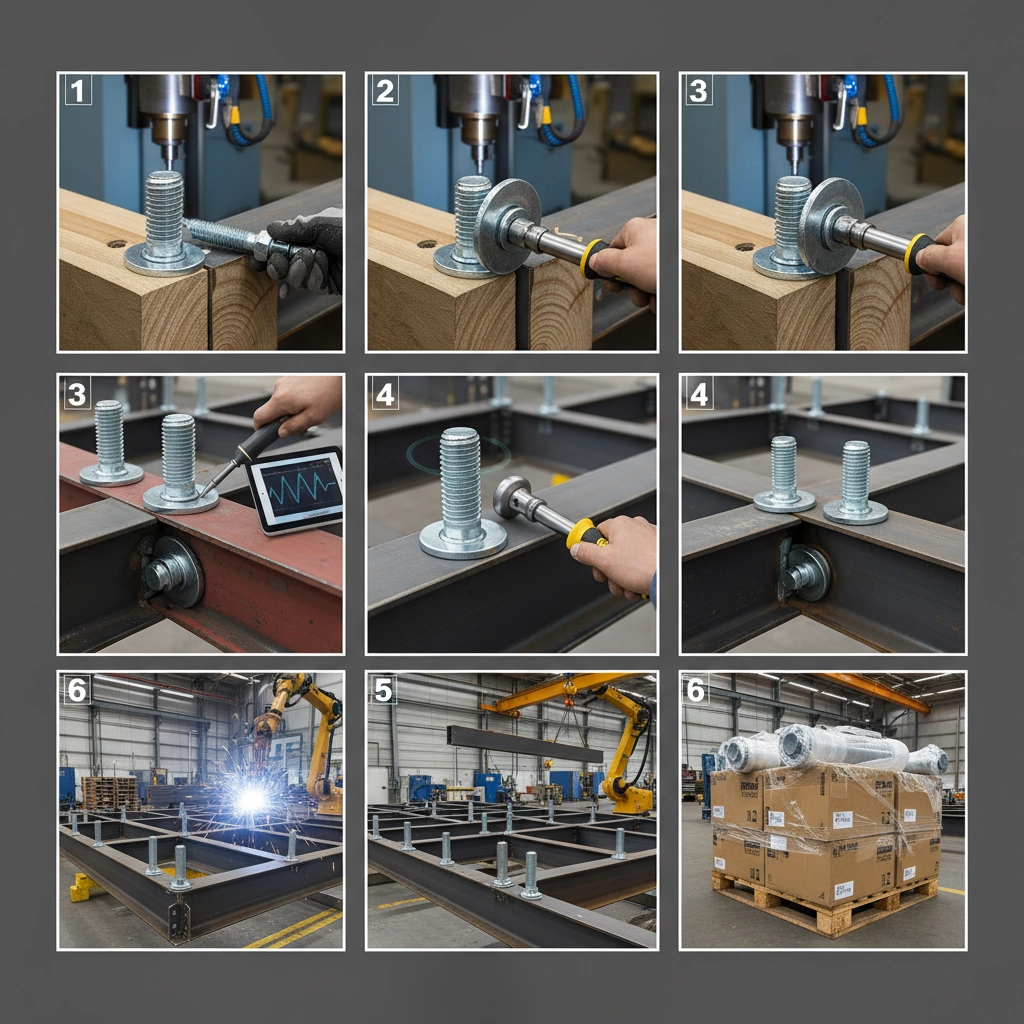
Installation Efficiency is a key commercial factor. Modern designs often feature "hex-head" or "carriage" styles that allow for high-torque driving with impact wrenches. This scalability allows construction crews to secure an entire framing system in a fraction of the time required for traditional bolting, significantly lowering labor costs without compromising quality.

Comparative Efficiency of Connection Methods

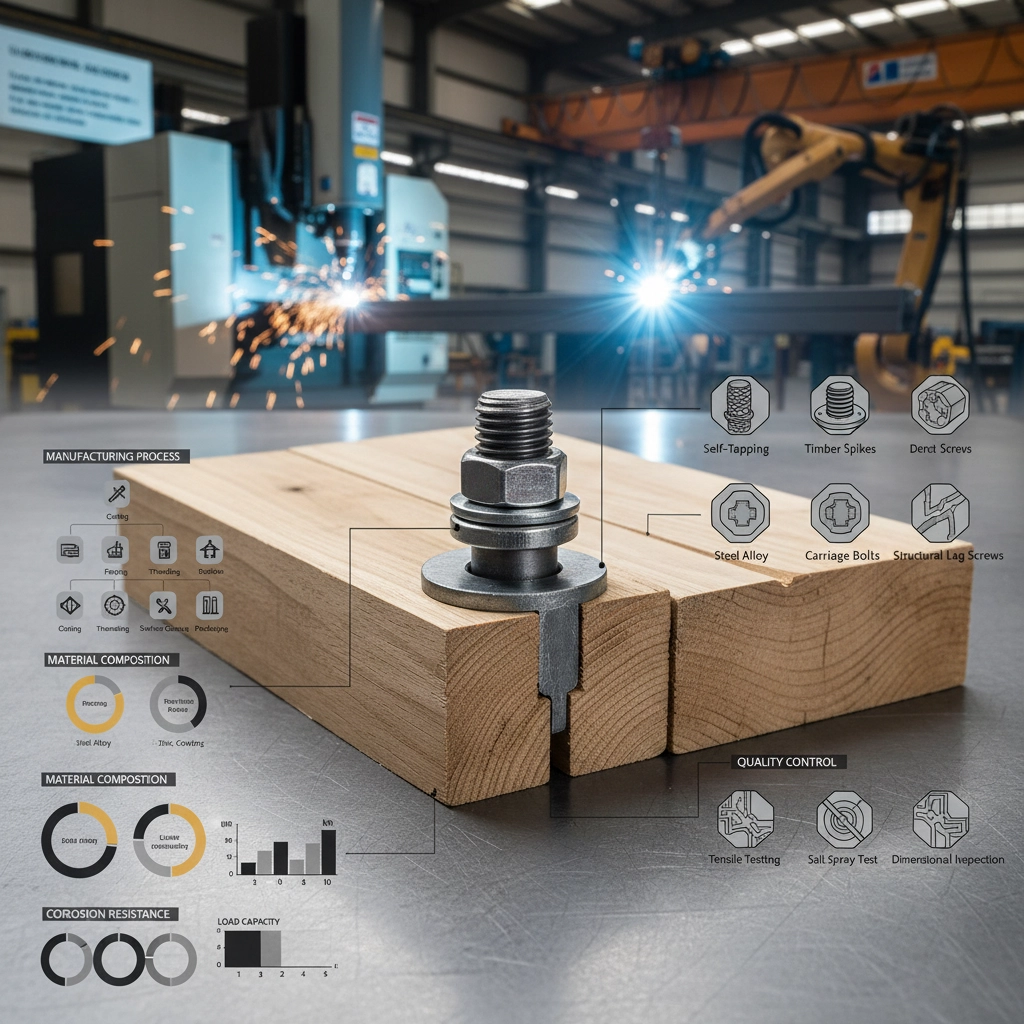
Selecting the right fastening method is a balance between speed, cost, and long-term structural integrity. While nails are fast, they are prone to "withdrawal," where the fastener slowly pulls out of the wood. In contrast, deck framing bolts create a permanent, high-tension bond that remains secure regardless of the wood's moisture content.

The following data illustrates how different fastening approaches perform across key metrics such as load capacity, corrosion resistance, and installation speed, highlighting why bolts are the preferred choice for primary framing.

Structural Performance Rating by Fastener Type

Global Applications and Use Cases

In high-seismic zones such as Japan or the West Coast of the United States, deck framing bolts are mandatory for tying structural members together to prevent detachment during earth tremors. The ability of a bolt to maintain its grip during sudden, violent oscillations is a lifesaver, making these fasteners a core component of building codes in disaster-prone regions.

Furthermore, in remote industrial zones or eco-resorts where maintenance is difficult, the use of premium stainless steel bolts is standard. These environments, often characterized by salt spray or extreme humidity, require fasteners that will not rust over a 20-year cycle, ensuring that the infrastructure remains safe without the need for constant replacement or chemical treatments.

Long-Term Value and Safety Advantages

The long-term value of investing in high-quality deck framing bolts manifests in reduced maintenance costs and increased property value. A deck that remains rigid and square over time is not only safer but also aesthetically superior, avoiding the unsightly warping and gaps that occur when fasteners fail.

From an emotional standpoint, safety provides peace of mind. For a homeowner, knowing that the structural joints of their outdoor living space are secured by engineered bolts allows them to host large gatherings with confidence. This trust in the "invisible" parts of the house—the hardware—is where true engineering value lies.

Logically, the sustainability angle cannot be ignored. By extending the lifespan of a deck from 10 years to 30 years through superior fastening, we significantly reduce the volume of waste timber and metal ending up in landfills. High-quality bolts enable a "build once, build right" philosophy that benefits both the wallet and the planet.

Future Trends in Fastening Technology

The future of deck framing bolts is leaning heavily toward "smart" materials and sustainable coatings. We are seeing the emergence of nano-coatings that provide better corrosion resistance than traditional galvanization while being entirely non-toxic. This aligns with the global push toward green building certifications like LEED.

Digital transformation is also hitting the hardware industry. Augmented Reality (AR) is now being used by contractors to calculate the exact placement and quantity of bolts needed for complex frames, reducing material waste and ensuring that every critical joint is reinforced according to engineering simulations.

Automation in manufacturing is allowing for more specialized bolt geometries that self-center during installation, further reducing labor time. As we move toward prefabricated and modular deck systems, the integration of pre-installed framing bolts will become the norm, shifting the construction process from "building" to "assembling."

Analysis of Deck Framing Bolt Material Specifications

Material Grade Corrosion Resistance Load Capacity Recommended Use
Hot-Dip Galvanized High (7/10) Very High Standard Residential
Stainless Steel 304 Excellent (9/10) High Coastal Environments
Stainless Steel 316 Maximum (10/10) High Marine/Saltwater Areas
Zinc Plated Low (3/10) Moderate Indoor Furniture
Epoxy Coated High (8/10) Very High Industrial Platforms
Carbon Steel Very Low (1/10) Maximum Temporary Structures

FAQS

What is the main difference between deck framing bolts and heavy-duty screws?

The primary difference lies in the mechanical connection. Deck framing bolts typically use a nut and washer to "clamp" the wood together, creating a high-tension bond that resists pulling forces. Screws rely on the friction of the threads within the wood grain, which can strip or loosen over time as the wood weathers and shrinks. For primary load-bearing joints, bolts are significantly safer and more stable.

Which material is best for a deck located near the ocean?

For coastal areas, Stainless Steel 316 is the gold standard. Saltwater is incredibly corrosive and can eat through galvanized coatings in a few short years. Grade 316 contains molybdenum, which specifically protects against chloride corrosion (salt). While it is more expensive upfront, it prevents the structural failure of the deck framing, saving thousands in replacement costs.

How often should I check the tightness of my deck framing bolts?

It is recommended to perform a visual inspection every 12 to 24 months. Because wood naturally expands and contracts with the seasons, some bolts may loosen slightly. Using a socket wrench to ensure the nuts are still snug prevents the "sway" from developing into a serious structural issue. Pay extra attention to the ledger board connections where the deck meets the house.

Can I use standard bolts from a hardware store for my deck frame?

It is strongly discouraged. Standard bolts often lack the specific corrosion coatings required for pressure-treated lumber. The chemicals in treated wood (like ACQ) are highly corrosive to untreated steel. Always ensure you are using certified deck framing bolts that are rated for exterior use and compatible with treated wood to avoid rapid rusting.

Do deck framing bolts require pre-drilling?

Yes, typically. To ensure the bolt passes through the wood without splitting the grain, a pilot hole slightly smaller than the bolt diameter is required. Pre-drilling ensures the bolt sits flush and the clamp is applied evenly across the wood surface. However, some modern "structural screws" designed to act like bolts feature self-drilling tips to speed up this process.

Are there specific building codes regarding the use of bolts in decks?

Yes, most international and local building codes (such as the IRC) specify the minimum diameter and spacing for bolts used in ledger boards and post-to-beam connections. Using under-sized fasteners can lead to failed inspections and, more importantly, structural collapse. Always consult your local building department to ensure your fastener choice meets regional safety standards.

Conclusion

In summary, deck framing bolts are far more than simple pieces of metal; they are the fundamental safeguards of outdoor structural integrity. By prioritizing material quality—such as stainless steel or hot-dip galvanization—and adhering to engineering principles of shear and tensile strength, builders can create outdoor spaces that are not only beautiful but profoundly safe. The transition from traditional nailing to precision bolting represents a professional commitment to longevity and reliability.

Looking forward, the integration of sustainable coatings and digital planning will continue to elevate the standard of outdoor construction. For anyone embarking on a building project, the advice is simple: never compromise on the fasteners. Investing in premium hardware today eliminates the risk of costly failures tomorrow and ensures a legacy of safety for all who use the space. For high-quality industrial fastening solutions, visit our website: www.lianshiwjnail.com.
Joseph Wilson

Joseph Wilson

Joseph Wilson is our Sales & Marketing Manager, focused on expanding our reach in both domestic and international markets. He’s responsible for building relationships with clients, understanding their needs, and presenting Lianshi’s hardware solutions. Joseph is passionate about communicating our brand message – “achieve the ideal life of every home” – and highlighting the benefits of our high-quality products. He leverages his deep knowledge of the construction, decoration, and furniture manufacturing industries to target key customer segments. Joseph is skilled in market research and actively seeks opportunities to participate in global market competition. He’s fluent in English and Mandarin.
Previous High Performance Contractor Screws for Professional Construction

JOIN OUR NEWSLETTER

If you are interested in our products, you can choose to leave your information here, and we will be in touch with you shortly.